Benefits of Using a Collateral Lender: What You Should Know
You needed cash last week. Not next week, not after a credit check clears, not after a bank decides whether your income looks good enough on paper. Right then. Maybe it was an unexpected car repair, a gap between paychecks, or a medical bill that showed up with zero warning. And you sat there thinking, where am I supposed to get this money fast? A lot of people are in that exact spot more often than anyone talks about, and the answer they keep landing on is a collateral lender, also called a pawnbroker or pawn shop. These places have been quietly solving short-term cash problems for centuries, and yet most people don't really understand how they work until they're already standing at the counter.

This article walks through how collateral lending actually works, why it's often a smarter short-term move than people expect, who's using pawn services and why, what to look for in a reputable shop, and how to get the most out of any transaction. There's real data in here too, pulled from directory listings across the country, so you're not just getting general advice.
How Collateral Lending Works: A Simple Overview
Walking into a pawn store for the first time can feel a little mysterious if you've never done it. But the process is genuinely simple. You bring in something of value, a piece of jewelry, a guitar, a power tool, a bag of old silver coins. A staff member looks it over and makes you an offer. From there, you have two choices: take a cash loan against the item, or sell it outright.
If you take the loan, the shop holds your item as collateral while you walk out with cash. You get a ticket or receipt, and you have a set period of time, usually 30 to 90 days depending on the shop and your state's regulations, to come back and repay the loan plus interest and fees to get your item back. If you do not come back, the shop keeps the item and sells it. That's it. No collection calls. No hit to your credit score. No court judgment.
Selling outright is even simpler. You bring in gold jewelry, silver flatware, an old coin collection, whatever it is, and you agree on a price. The shop buys it from you on the spot. This is what people are usually searching for when they type "sell gold near me" or look for a gold and silver buyer in their area. It's a clean transaction with no strings attached.
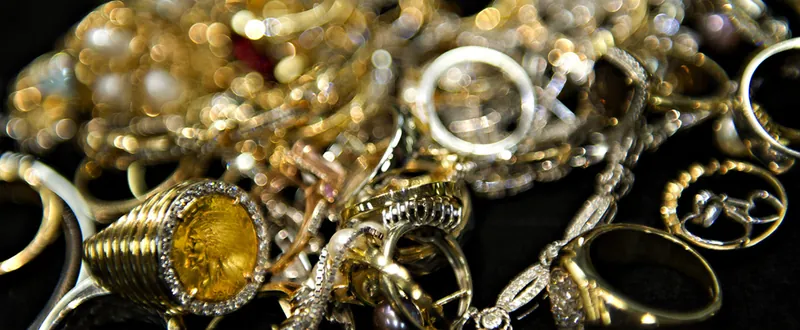
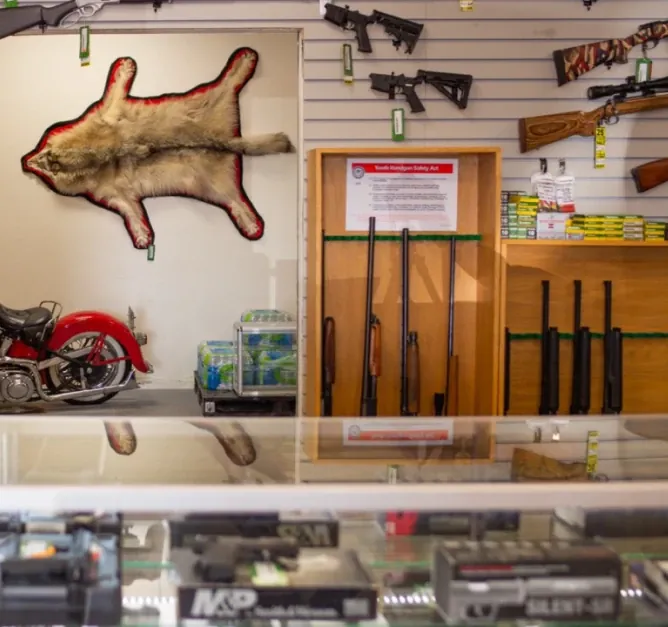
Common accepted items vary by shop, but most pawn services will look at jewelry and precious metals, electronics like phones and laptops, power tools, musical instruments, firearms (where licensed), and sporting goods. Some shops specialize. An estate jewelry buyer might focus almost entirely on rings, necklaces, and watches. A shop in a rural area might see a lot of tools and farm equipment. It pays to call ahead if you're not sure whether a shop handles your type of item.
Call the pawn shop before driving over with your item. Ask if they regularly deal in that category. A shop that handles jewelry all day will give you a much better appraisal on a gold necklace than one that mostly moves electronics.
Key Financial Benefits of Using a Pawn Shop
Speed is the thing most people don't appreciate until they need it. At a traditional bank, applying for a personal loan means filling out paperwork, waiting for approval, sometimes waiting days for funds to clear. A payday loan is faster but carries notoriously high annual percentage rates, sometimes 300% or more, and if you cannot repay on time, the debt compounds fast. A collateral lender works on neither of those timelines or terms.
You walk in, get an appraisal, agree on an amount, and walk out with cash, sometimes in under 30 minutes. There is no credit check because the loan is backed by the item you left behind. Your credit history doesn't matter. Your income doesn't matter. What matters is the value of what you're bringing in.
And here's something most people don't realize until after they've done it: the risk is totally capped. If you borrow $200 against a watch and something comes up and you can't repay it, you lose the watch. That's it. No debt collector. No wage garnishment. No lingering balance. Compared to a payday loan where a $200 borrow can spiral into $400 or $600 in fees if you roll it over twice, the worst-case scenario at a pawn store is pretty contained.
Loan terms vary by state and by shop, but many places offer extensions or renewals if you need more time. Some will let you pay down the interest to keep the loan active. And if you change your mind entirely and just want to sell the item instead of reclaiming it, a good pawnbroker will often work with you on that too. Flexibility is genuinely one of the strengths here.
For people comparing options: a pawn loan typically costs less in total fees than a payday loan for the same amount and time period, and it comes without the credit risk that a bank loan carries when things go sideways. For short-term gaps, that math works out more often than not.
Who Uses Collateral Lenders and Why
There's a persistent stereotype about pawn shops that doesn't match reality at all. People picture a desperate, last-resort customer. But the actual customer base is much broader than that.
Some are people with short-term cash flow gaps, a freelancer waiting on an invoice to clear, a gig worker between jobs, someone whose paycheck timing doesn't line up with a bill. Others are collectors or heirs selling estate jewelry after a family member passes, looking for an estate jewelry buyer who will actually know what an antique brooch is worth instead of just offering scrap price. Some are small business owners who need quick working capital and have something to offer as collateral.
A growing segment are people who are unbanked or credit-challenged. In the United States, roughly 6 million households have no bank account at all, and tens of millions more have accounts but cannot access credit through traditional channels. For those people, a pawnbroker is not a last resort. It's often the only viable option for a short-term cash loan.
And then there are the buyers. A lot of people forget that pawn stores are also retail shops. People walk in specifically to buy secondhand goods at prices well below retail. A used guitar that retails new for $400 might be on the shelf at a pawn store for $150. A cordless drill kit, barely used, might be $40. For people who know what they're looking for, pawn stores are genuinely good places to shop. Interestingly, this is something the secondhand economy has in common with other discount retail models. If you enjoy hunting for deals on returned or excess merchandise, you might also want to check out bin store options near you, where Amazon returns and overstock items often sell by the pound.
More and more, ordinary middle-class consumers are using pawn services too, not because they're desperate, but because they have a drawer full of old gold jewelry they don't wear anymore and they'd rather have the cash. The gold and silver buyer function of many shops serves this group well, especially when gold prices are high.
What to Look for When Choosing a Reputable Pawn Shop
Not all pawn shops are created equal. Some are excellent, with knowledgeable staff, fair appraisals, and clear fee structures. Others are murky on their terms and give you a low offer hoping you won't push back. Knowing how to spot a good one matters.
Licensing is non-negotiable. Pawn shops are regulated at the state level and sometimes locally too. A legitimate pawnbroker will be licensed, will collect your ID for transactions, and will report items to local law enforcement as required by law. This is actually a consumer protection, not just a burden on the shop. If you walk in and a place seems evasive about its credentials, walk out.
Transparent fee structures are the other big one. Before you accept a loan, you should know the interest rate, any storage fees, and exactly what you need to pay to reclaim your item. A reputable cash loan provider will tell you all of this upfront, in writing, before you hand over your item. If someone is vague about what you'll owe when you come back, that is a red flag.
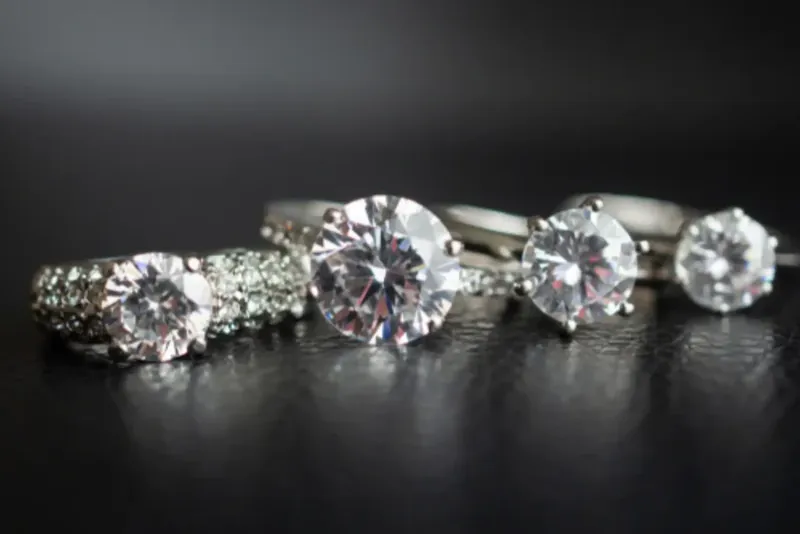
Staff knowledge matters too, especially for specialty items. A shop that deals heavily in jewelry should have someone who can properly evaluate karat stamps, check for plating versus solid gold, and price diamonds against current market values. If the person behind the counter is just eyeballing your gold necklace and guessing, you may be leaving money on the table.
Online ratings are a practical shortcut. Looking at our directory data, the average rating across listed businesses is 4.3 stars out of 5. Shops with ratings that high, across a meaningful number of reviews, have earned that score through consistent customer experience. Scottsdale Pawn Shop in Scottsdale, Arizona carries a 5.0-star rating across 870 reviews. That's not luck; that's a shop doing things right over and over. PawnCo in Phoenix, Arizona also holds a 5.0 across 316 reviews. Those numbers tell you something real.
Searching "pawn shops near me" on a general search engine gives you a list with no context. A specialized business directory like Pawn Shop Pal shows you verified listings, real customer ratings, and business details side by side so you can actually compare your options before driving anywhere.
Collateral Lenders by the Numbers: Industry Data and Directory Insights
Our directory currently lists 136 pawn businesses across multiple cities, with an average customer rating of 4.3 stars. Those aren't cherry-picked numbers; that's the full picture of what's in the database right now.
Breaking it down by city gives you a sense of where pawn services are most concentrated. Birmingham leads with 9 listings, followed by Phoenix with 8. Anchorage has 6 listed businesses, which is a surprisingly high number for a city of its size, actually worth noting for anyone in Alaska who assumes their options are limited. Louisville has 3 listings, and Columbus has 2.
| City | Listings |
|---|---|
| Birmingham, AL | 9 |
| Phoenix, AZ | 8 |
| Anchorage, AK | 6 |
| Louisville, KY | 3 |
| Columbus, OH | 2 |
And here are the top-rated businesses currently in the directory:
| Business Name | Location | Rating | Reviews |
|---|---|---|---|
| Scottsdale Pawn Shop | Scottsdale, AZ | 5.0★ | 870 |
| PawnCo | Phoenix, AZ | 5.0★ | 316 |
| R and F Pawnbrokers | Conway, AR | 5.0★ | 50 |
| Freedom Firearms | Las Vegas, NV | 4.9★ | 6,616 |
| Aztec Pawn | Phoenix, AZ | 4.9★ | 3,140 |
Freedom Firearms in Las Vegas with 6,616 reviews at 4.9 stars is a particularly striking data point. That volume of reviews means thousands of real people had an experience worth writing about, and nearly all of them were positive. That's not nothing.
What this data really tells you is that pawn services are widely available, reasonably well-reviewed as an industry, and worth seeking out through a vetted source rather than just picking the first result from a general search. Worth mentioning: if you're the type who uses directories for other everyday service categories, you might find it equally useful to browse wellness recovery options like cold plunge facilities for other local health and lifestyle services tracked in similar format.
Tips for Getting the Most Value from a Pawn Transaction
Preparation makes a real difference. Before you bring anything to a cash for gold shop or a general pawn store, spend a little time getting the item ready and doing some homework.
For jewelry, clean it. Not aggressively, just a gentle wipe-down so it looks presentable. A dirty piece of gold reads as lower quality to someone appraising it quickly, even if the metal content is identical. If you have original paperwork, certificates of authenticity, original boxes, or receipts, bring them. A diamond ring with a GIA certificate will get appraised more accurately than one without, and you'll likely get a better offer.
For electronics, make sure everything powers on. A phone that won't turn on is worth much less than one that does, even if both are technically functional. For instruments, bring any cases or accessories. Original cases add value.
Research gold and silver spot prices before you go. These change daily and are publicly available. If you know that gold is currently trading at $2,300 per troy ounce and your ring is 14 karat gold at a certain weight, you can do rough math on what scrap value alone should look like. You won't get spot price at a gold and silver buyer because they need a margin to operate, but you should be in a reasonable range of it. If an offer seems drastically below what the math suggests, ask why.
Negotiate. Appraisals at a pawn shop are opening offers, not final ones. You don't need to be aggressive about it. Just ask politely if there's any flexibility. Most experienced pawnbrokers expect some back-and-forth and will respect a customer who knows their item's value. I would rather walk into a negotiation slightly over-informed than accept the first number without question.
Understand the full cost of a loan before you accept it. If you're pawning an item rather than selling it, find out the total amount you'll need to repay to get it back, including all fees and interest for the full loan period. Then honestly ask yourself whether you will actually come back for it. If the item has strong sentimental value and you want it back, make sure the repayment number is one you can realistically hit. If the answer is uncertain, selling outright might be the cleaner move.
Mark the loan redemption date in your phone calendar the moment you walk out. It sounds obvious, but people lose items they genuinely wanted to recover just because the deadline snuck up on them. Set a reminder a week before it's due.
Frequently Asked Questions
Does pawning an item affect my credit score?
No. A pawn loan is secured by the item you leave behind, not by your credit history. If you don't repay, the shop keeps the item, and nothing gets reported to any credit bureau. This is one of the key differences between pawn loans and traditional credit products.
What items does a pawn shop typically accept?
Most pawn stores accept jewelry, gold and silver, electronics, power tools, musical instruments, and firearms (where licensed). Some specialize in certain categories. Always call ahead to confirm your item type is something they deal in regularly.
How do I find a trustworthy pawn shop near me?
Check a dedicated directory like Pawn Shop Pal to see licensed, rated businesses in your area. Look for shops with high ratings across a meaningful number of reviews. 4.3 stars or above across 50+ reviews is a solid benchmark. Read recent reviews specifically, not just the overall score.
Can I negotiate the price at a pawn shop?
Yes, and you should. Offers at a pawn store are typically starting points. Know your item's approximate value beforehand, ask politely if the offer is flexible, and be prepared to explain why you think it's worth more. Most experienced pawnbrokers will engage in that conversation.
What's the difference between pawning and selling?
Pawning means you're taking a short-term cash loan and leaving your item as collateral. You can get it back by repaying the loan within the agreed period. Selling means you're transferring ownership permanently in exchange for cash on the spot. If you don't want the item back, selling usually gets you a slightly higher offer since the shop doesn't have to hold and manage it as loan collateral.
How does a gold and silver buyer determine what my metal is worth?
They'll check the karat stamp on jewelry or test metal purity, weigh the item, and apply current spot prices with a discount for their margin. A reputable gold and silver buyer should be able to walk you through that math if you ask. If someone can't or won't explain how they arrived at a number, that's worth being skeptical about.
More Ways to Save
Find Pawn Shop Pal Near You
Browse our directory of 136+ businesses across the country. Compare ratings, read reviews, and find a trusted collateral lender, gold and silver buyer, or estate jewelry buyer in your area before you make a trip.
Search the Directory