Navigating the World of Cash Loans and Pawn Services: A Practical Guide for Buyers, Sellers, and Borrowers

136 businesses. A 4.3-star average rating across hundreds of customer reviews. That's what the current Pawn Shop Pal directory shows, and frankly, those numbers tell you something important: pawn shops, collateral lenders, and cash-for-gold shops are not the shady back-alley operations that movies make them out to be. Contrary to popular belief, most consumers who walk into a pawnbroker today walk out satisfied, whether they got a short-term cash loan, sold a piece of estate jewelry, or picked up a used guitar at a fraction of retail price. This guide is for anyone who has ever typed "pawn shops near me" or "sell gold near me" into a search bar and wasn't sure what to expect next.
Pawn services go by a lot of names depending on who you ask and where you live: pawnbroker, pawn store, collateral lender, cash for gold shop, gold and silver buyer, estate jewelry buyer. They all operate on essentially the same core idea, though the specifics vary. Some specialize heavily in jewelry and precious metals. Others are more like secondhand electronics stores that also happen to offer short-term cash loans. Knowing the difference before you walk in saves time and gets you a better deal.
This is a practical guide, not a sales pitch. We'll break down how these businesses work, what items they want, how the industry stacks up by the numbers, and what you need to know to avoid getting lowballed or locked into bad loan terms.
---1. How Pawn Shops and Cash Loan Services Actually Work
Walking into a pawn shop for the first time can feel a little chaotic. There's usually a lot going on: glass cases full of rings and watches, a wall of power tools, maybe a rack of guitars. Someone is haggling at the counter. It's not exactly a calm retail environment. But the process itself is pretty simple once you understand the two things these businesses do.
First, the collateral loan. You bring in an item, a staff member appraises it, and they offer you a short-term loan based on a fraction of the item's estimated resale value. You accept the terms, hand over the item, and walk out with cash. You get a ticket or receipt that lets you come back later, pay back the loan plus interest and fees, and reclaim your item. Most pawn loan terms run 30 to 90 days depending on state law and the individual shop's policies. If you don't come back and pay, the shop keeps the item and sells it to recoup the loan.
Second, the outright buy. No loan involved. You sell the item, they pay you cash, they own it. Simple. This is what most cash for gold shops do almost exclusively, and it's also the faster option if you know you don't want the item back. Gold and silver buyers will weigh your metal, check the purity, look up the spot price, and make you an offer. Estate jewelry buyers add another layer of evaluation for craftsmanship, brand, and collector demand.
The key decision for any consumer is which route makes more sense. Pawning preserves your option to get the item back. Selling gives you a clean break and usually a slightly higher immediate payout than a pawn loan on the same item. If you have a ring that belonged to your grandmother and you just need $200 to cover rent this week, pawning makes sense. If you inherited a box of gold chains you don't care about, sell them outright.
One thing worth knowing: the appraisal is not the same as the loan offer, and it is not the same as the item's retail value. A pawnbroker is estimating what they can realistically sell the item for if you don't come back, then offering you a percentage of that. Typically somewhere between 25% and 60% of resale value for a loan, sometimes more for an outright sale. That's just how the math works for them to stay in business.
2. What Items Are Accepted at a Collateral Lender or Pawn Store
Not everything is welcome at every shop. That's the first thing to understand. A dedicated gold and silver buyer may not want your Xbox. A general pawn store will take almost anything with clear resale value. Knowing what a specific shop specializes in saves everyone time.
That said, the most universally accepted categories are:
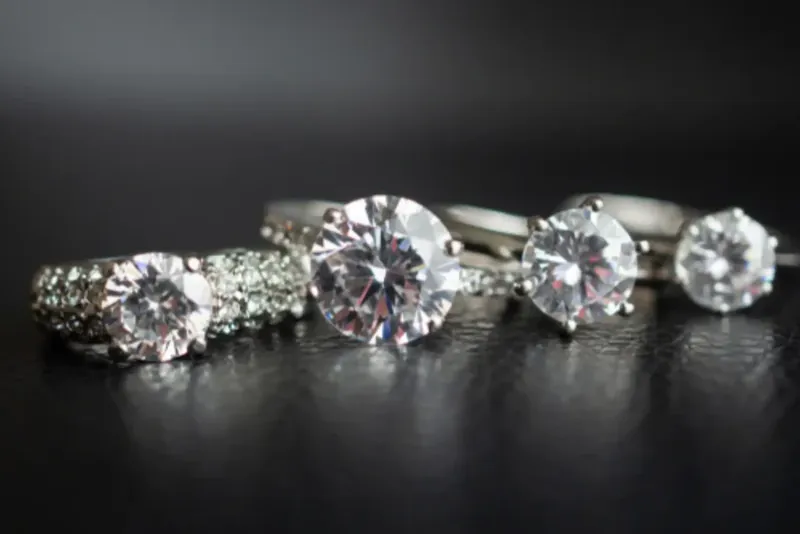
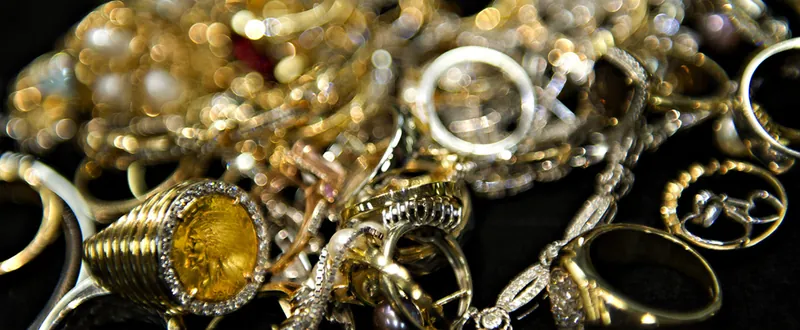
- Gold, silver, and estate jewelry, by far the most liquid category. Precious metals have a spot price that updates daily, so valuation is relatively objective. Estate jewelry adds complexity because condition, maker's marks, and design matter. A signed Tiffany piece is worth more than generic gold of the same weight.
- Electronics, laptops, tablets, gaming consoles, smartphones. Newer models in good condition do well. Cracked screens, dead batteries, or missing chargers drop value fast.
- Power tools, DeWalt, Milwaukee, Makita. Brand recognition matters here enormously. A generic drill goes for almost nothing. A full Milwaukee battery system can get a solid loan.
- Musical instruments, guitars, keyboards, brass instruments. Vintage gear can actually fetch surprisingly good prices if the shop knows what they're looking at.
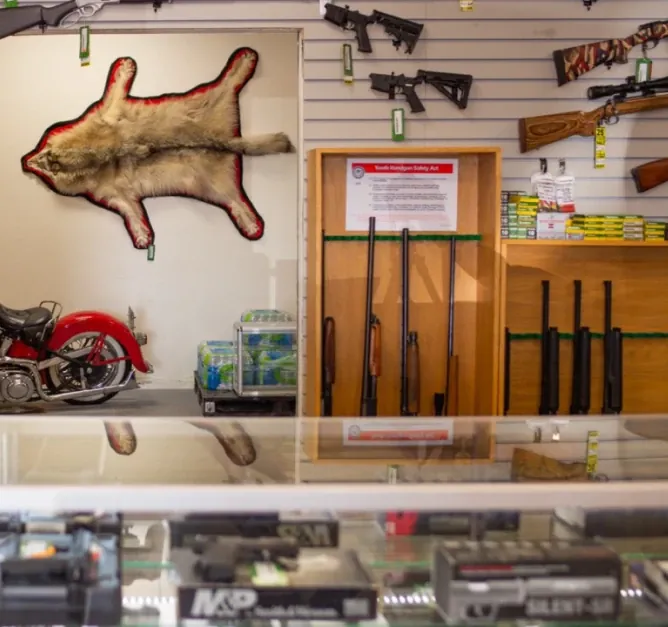
- Firearms, where legally permitted, firearms are among the most stable collateral items. They hold value well and have a liquid secondary market. Shops that accept them are usually licensed federally and follow strict documentation rules.
- Collectibles and coins, hit or miss. Coins with silver or gold content are easy to value. Sports cards, comic books, and collectible figurines depend heavily on the shop's expertise and local demand.
Condition is everything. Bring the original packaging if you have it. Bring documentation, certificates of authenticity, original receipts. A guitar in its original case with the paperwork gets a meaningfully better offer than a bare guitar with a strap but no case. Same item, different context, different number. It's not complicated logic, but a lot of people leave money on the table by showing up empty-handed.
For jewelry specifically, knowing your metal's purity helps. A 14-karat gold necklace and an 18-karat gold necklace of similar weight are not worth the same amount. If you have appraisal documents from an independent jeweler, bring them. A reputable estate jewelry buyer will do their own evaluation regardless, but documentation sets a baseline and signals that you know what you have.
Gold and silver spot prices fluctuate constantly based on commodity markets. If you're planning to sell gold or silver items, check the current spot price on a site like Kitco or APMEX before walking in. This gives you a real benchmark to evaluate any offer you receive. A shop offering less than 70% of spot value for pure gold bullion is probably not the right fit.
Items that rarely do well: clothing (almost no pawn stores take it), furniture (too bulky, low margin), and anything with no clear resale market. Sentimental value means nothing in an appraisal. That's a hard truth but an important one.
---3. The Pawn Shop Industry by the Numbers
136 pawn and collateral lending businesses listed in the Pawn Shop Pal directory, spread across multiple cities, with a 4.3-star average rating. That average is actually higher than most people expect from this industry, and the data tells a different story than the cultural stereotype of the exploitative pawnbroker. Most customers, when they leave reviews, report fair treatment and straightforward transactions.
Breaking down the top cities in the directory:
- Birmingham, AL, 9 listings. Highest concentration in the directory. Birmingham has a significant population that relies on alternative financial services, and the density of pawn stores reflects real local demand for short-term cash loans outside the traditional banking system.
- Phoenix, AZ, 8 listings. Phoenix is a large metro with a competitive pawn market. Some of the highest-rated shops in the entire directory are here, including PawnCo (5.0 stars, 316 reviews) and Aztec Pawn (4.9 stars, 3,140 reviews).
- Anchorage, AK, 6 listings. Interesting outlier. Anchorage's relatively isolated economy and strong outdoor and firearms culture likely drive demand for pawn services. Seasonal income patterns in Alaska also push more consumers toward short-term cash solutions.
- Louisville, KY, 3 listings. Smaller representation but present. Louisville has a strong estate jewelry market due to its older demographic and history of family-held valuables.
- Columbus, OH, 2 listings. Underrepresented relative to city size, which may reflect directory coverage gaps rather than actual market scarcity.
| Business Name | Location | Rating | Reviews |
|---|---|---|---|
| Scottsdale Pawn Shop | Scottsdale, AZ | 5.0 ★ | 870 |
| PawnCo | Phoenix, AZ | 5.0 ★ | 316 |
| R and F Pawnbrokers | Conway, AR | 5.0 ★ | 50 |
| Freedom Firearms | Las Vegas, NV | 4.9 ★ | 6,616 |
| Aztec Pawn | Phoenix, AZ | 4.9 ★ | 3,140 |
Freedom Firearms in Las Vegas deserves a separate mention. 6,616 reviews at 4.9 stars is not a small sample size. That's a volume of feedback that rivals mid-sized restaurant chains, and it suggests a genuinely well-run operation with consistent customer experiences across a huge number of transactions. It's the kind of review profile that's basically impossible to fake or inflate.
Nationally, the pawn industry is a multi-billion-dollar sector. Estimates put total U.S. pawn loan volume above $6 billion annually, with more than 11,000 licensed pawnbrokers operating across the country. Demand tends to spike during economic downturns, inflation periods, and any time access to traditional credit tightens. During and after 2020, multiple industry reports noted a significant uptick in first-time pawn customers, many of whom had never considered a collateral lender before but needed fast, no-credit-check cash.
Gold buying specifically has grown as a share of pawn industry revenue. As gold spot prices climbed past $2,000 per troy ounce in recent years (and pushed well above that in 2024), more consumers started looking at their old jewelry as a real financial asset worth cashing in. That's driven growth in standalone cash for gold shops and estate jewelry buyers, many of whom operate outside the traditional pawn store model entirely.
Roughly 1 in 4 American households is either unbanked or underbanked, according to FDIC surveys. Pawn shops and collateral lenders serve as a critical credit alternative for these consumers. No credit check, no application, no waiting period. You bring collateral, you get cash. For people locked out of conventional borrowing, that's genuinely useful access to short-term liquidity.
4. How to Choose a Reputable Pawnbroker or Cash Loan Service Near You
Not all pawn stores are created equal. That 4.3-star average in the Pawn Shop Pal directory is encouraging, but averages hide variance. Some shops in any market are excellent. Some are not. Knowing what to look for separates a good experience from a frustrating one.
Start with licensing. Every legitimate pawnbroker in the U.S. is required to hold a state-issued license and comply with local business regulations. Most states require pawn shops to report transactions to local law enforcement, which is actually one of the reasons these businesses are generally safer places to sell valuables than random online buyers. If a shop doesn't display its license or gets evasive when you ask about it, that's a problem. Walk out.
Check reviews, but read them critically. A 4.8-star rating with 12 reviews means something very different than a 4.8-star rating with 1,200 reviews. Look for patterns in negative reviews. One angry customer out of hundreds is noise. Ten reviews in six months all complaining about the same thing, say, bait-and-switch appraisals or unexpected fees, is signal. Pay attention to how the business responds to complaints too. A shop that argues with reviewers online is telling you something about how they treat customers in person.
Membership in the National Pawnbrokers Association (NPA) is a reasonable quality signal. NPA members agree to a code of ethics and have access to training and compliance resources. It's not a guarantee of excellence, but it filters out a lot of the fly-by-night operators who won't invest in professional standards.
Transparency in loan terms is non-negotiable. Before you hand over any item, you should receive a written contract that clearly states the loan amount, the interest rate, any fees, the loan term, and exactly what happens if you do not redeem the item. If a shop is fuzzy on any of these points, find another shop. Serious collateral lenders put everything in writing because they're required to by law in most states.
Using an online directory like Pawn Shop Pal makes this process significantly faster. Instead of driving around to three different shops to compare offers, you can read verified reviews, see ratings, check specializations, and get a short list of promising options before you leave the house. Shops that specialize in estate jewelry buying or gold and silver purchasing are usually tagged or categorized in a way that helps you match your specific item to the right buyer.
If you're also interested in finding other types of value-oriented retailers in your area, it might be worth checking out the Liquidation Store Pal directory, which covers closeout and liquidation retailers, a different category entirely but useful if you're in a budget-shopping mindset and looking for other ways to stretch your money.
Red flags to avoid: shops that refuse to give a written offer before you hand over an item, shops that quote a price and then drop it dramatically once you've already passed the item across the counter, shops with zero online presence or reviews, and shops operating out of locations with no visible signage or business registration. These are not common, but they exist.
---5. Consumer Tips for Getting the Best Value at a Pawn or Gold Buying Shop
Most people leave money on the table. Not because pawn shops are dishonest, but because most people walk in underprepared. A little homework before you go changes the outcome meaningfully.
Research your item's current market value before you walk in. For gold and silver, check the live spot price. For electronics, look at completed eBay sales for your exact model and condition. For guitars or instruments, check Reverb.com. For firearms, check GunBroker.com. You don't need to become an expert. You just need a realistic baseline so you can recognize when an offer is fair versus when it's low.
Get multiple offers. This is the single most effective thing you can do. Call or visit two or three pawn stores or gold buyers in your area and get competing bids. Most reputable shops don't mind if you mention that you're shopping around. In fact, some will match or beat a competing offer if they really want the item. Shops that pressure you to decide immediately without shopping around are usually the ones making the lowest offers.
Timing matters for gold and silver. Seriously. If gold spot prices are rising, sellers have leverage. If prices have just pulled back sharply, you'll get less. You don't need to time the market perfectly, but selling during a sustained high is better than selling during a dip by a measurable margin. A 10% swing in gold price is a 10% swing in your payout. That's real money.
Clean your items but don't over-restore them. A clean piece of jewelry photographs and appraises better than a dirty one. But don't attempt to polish or repair antique or estate pieces yourself. Amateur polishing can remove patina that actually adds collector value, and a botched repair can drop an item's value by more than the repair cost. Let the buyer assess it as-is if there's any doubt.
Know the difference between melt value and collector value for jewelry. A gold chain's melt value is just the weight times the purity times the spot price. Its collector or resale value can be higher if it's a recognized designer piece or a vintage style in demand. An estate jewelry buyer who knows their market will pay more than a shop that only weighs metal. Shop accordingly based on what you have.
For pawn loans specifically, ask about the redemption period and whether extensions are available before you accept the loan. Most states allow at least one extension if you pay the accrued interest. Knowing this going in prevents the unpleasant surprise of realizing your loan expired three days ago and your item is already on the sales floor.
Bring ID. Always. Every licensed pawnbroker is legally required to record your identification before completing any transaction, whether it's a loan or an outright purchase. This is not negotiable and it's not invasive. It's a regulatory requirement that actually protects you as much as it protects them, because it creates a paper trail that deters stolen goods from entering the market.
✓ Research current market value of your item
✓ Bring original packaging, documentation, or certificates
✓ Check the live gold/silver spot price if selling metals