What to Expect When Visiting a Pawn Store for the First Time
Out of 136 pawn stores tracked in the Pawn Shop Pal directory, the average customer rating sits at 4.3 stars. That number matters more than it might seem. Across an industry that has long carried a reputation for being shady or intimidating, 4.3 stars out of 5 tells you that most people who actually walk through those doors leave satisfied. The data tells a different story than the stereotype.
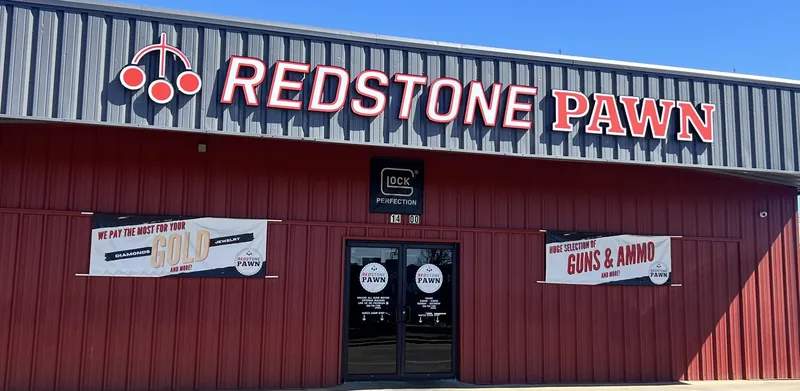
Most people have never set foot inside a pawn store. Maybe you've driven past one a hundred times without stopping, or maybe you've got a drawer full of old jewelry and you're finally thinking about doing something with it. Whatever brought you here, the process is more straightforward than you think. Pawn stores, also called pawnbrokers or collateral lenders depending on who you're talking to, do three things: they buy items outright, they sell used merchandise, and they offer short-term cash loans secured by personal property. That's it. Walk in, talk to someone, walk out with cash or a loan. This guide covers everything you need to know before that first visit so you don't walk in blind.
Understanding What a Pawn Store Actually Does
A lot of first-timers walk in confused about the difference between pawning something and selling it. Honestly, it's the most common source of frustration for new customers, and it's worth clearing up before you get to the counter.
Selling an item means you hand it over and receive cash immediately. Ownership transfers. You walk out with money and no item. Simple. Pawning, on the other hand, means you're using your item as collateral for a short-term loan. You leave the item with the store, they give you cash, and you have a set window of time (typically 30 to 90 days, depending on your state) to repay the loan plus fees. If you repay on time, you get your item back. If you don't, the store keeps it and sells it to recover the loan amount. No credit check. No debt collectors. The item is the security.
This is why pawn stores are also called collateral lenders. It's not just a colorful nickname; it's literally describing the financial product. You might also hear terms like cash loans, pawn services, or even cash for gold shop, which usually refers to stores that specialize more heavily in precious metals but often offer the same buying and loan services as a general pawnbroker.
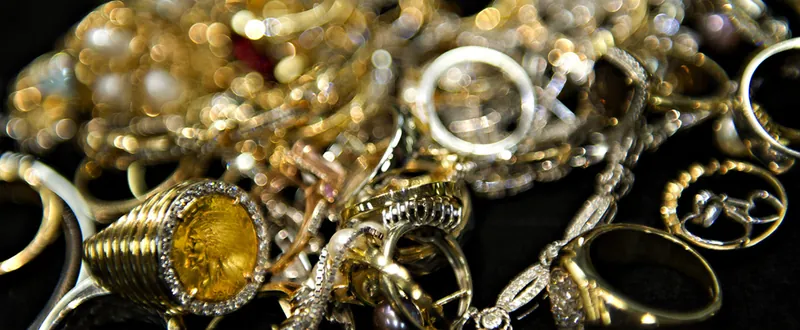
Estate jewelry buyer is another term worth knowing. Some shops focus almost entirely on buying and reselling rings, necklaces, watches, and other jewelry from estates or individual sellers. A shop advertising itself as a gold and silver buyer might not take your Xbox, but they'll know exactly what your grandmother's diamond ring is worth down to the tenth of a carat. Knowing what type of shop you're walking into helps you set realistic expectations.

What Items Are Commonly Accepted
Pawn stores are not dumpsters. They do not take everything. What they accept is driven entirely by one question: can we sell this quickly at a profit? Keep that in mind when you're packing your car.
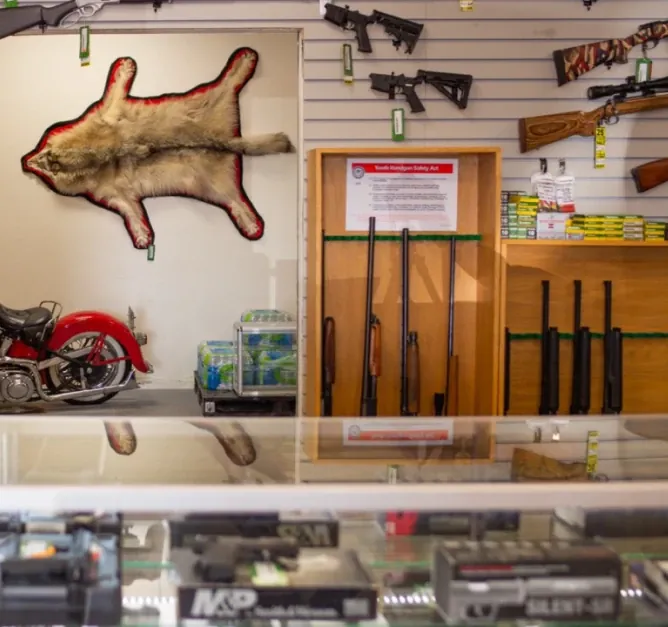
Gold and silver jewelry consistently rank as the most liquid items at any pawn store. Precious metals have a global spot price that updates by the minute, which makes them easy to value and easy to resell. Electronics are a close second: smartphones, laptops, gaming consoles, and tablets move fast. Tools, especially brand-name power tools from Milwaukee, DeWalt, or Makita, are in high demand, particularly at stores near construction-heavy areas. Musical instruments, firearms (at licensed dealers), and collectibles like coins, sports cards, and vintage watches round out the most commonly accepted categories.
What makes an item more desirable comes down to four things: condition, resale demand, brand recognition, and current market value. A working iPhone 14 from Apple will always get a better offer than a cracked off-brand Android from three years ago, even if they technically do the same things. A Rolex, even a beat-up one, will get a serious look from almost any gold and silver buyer because the brand carries inherent secondary market value. Condition matters enormously. Bring something broken and expect a low offer or a flat-out pass.
Some categories are almost universally rejected. Furniture is usually too bulky to store and resell. Clothing gets turned away at most shops. Anything without clear provenance or with signs of tampering (like a scratched-off serial number on electronics) will be refused immediately, and rightly so. Most licensed pawnbrokers are required by law to check items against stolen goods databases before completing a transaction.
If you're bringing in gold, silver, or estate jewelry, look specifically for a cash for gold shop or estate jewelry buyer in your area. They'll have better testing equipment and often offer better rates on precious metals than a general pawn store that handles everything from guitars to power drills.
How the Appraisal and Offer Process Works
Walking up to the counter for the first time feels awkward. It doesn't have to. Here's exactly what happens.
You bring your item in. Staff will look it over, test it if it's electronic or mechanical, and check current market data before making an offer. For jewelry, they'll likely test metal purity with an acid test or an electronic tester, weigh the piece, and look up the spot price of gold or silver. For electronics, they'll power it on, check for damage, and look at current resale prices on eBay or similar platforms. This process usually takes five to fifteen minutes depending on the item.
In practice, the offer you receive will be based on resale value, not retail price. This is where a lot of first-time visitors get frustrated, and it's worth setting expectations clearly. If you paid $800 for a laptop two years ago, you will not be offered $800. You might be offered $150 to $250 depending on the model, condition, and current demand. Typically, the store needs to make a profit on resale, cover their holding costs, and account for the possibility that the item sits on the shelf for weeks. Contrary to popular belief, this isn't them being predatory; it's just math.
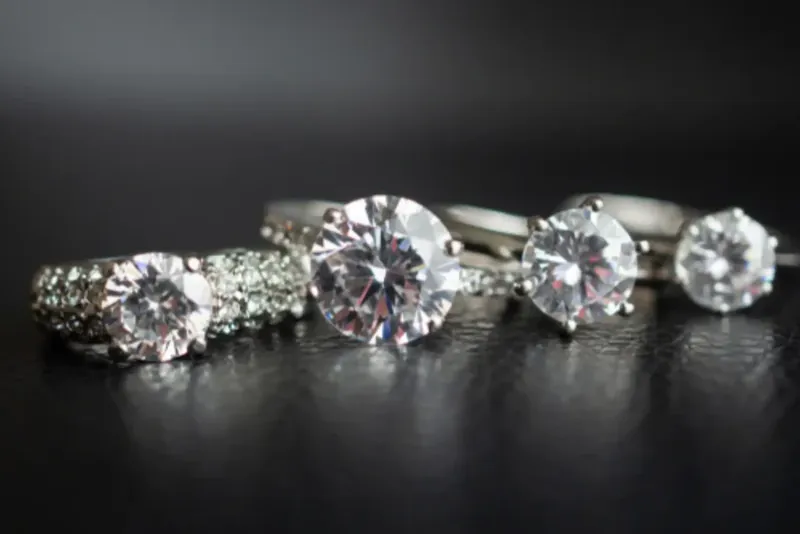
Bring documentation if you have it. Original packaging, receipts, certificates of authenticity for jewelry, or appraisal documents all help support your item's value. For diamonds specifically, a GIA certificate can meaningfully increase what you're offered because it removes uncertainty about the stone's specs. You don't always need these things, but having them doesn't hurt and sometimes makes a real difference.
You are allowed to negotiate. Most staff expect it. Don't be rude about it, just ask if there's any flexibility in the offer. Sometimes there is. Sometimes there isn't. A simple "is that the best you can do?" costs you nothing.
Spend ten minutes on eBay looking at "sold" listings for your item before walking in. It gives you a realistic baseline and makes you a much more confident negotiator at the counter.
Pawn Loans vs. Selling Outright: Which Option Is Right for You
This is actually the most important decision you'll make inside the store, and most people walk in without having thought it through.
Pawn loans work like this: you leave your item as collateral, receive a cash loan (usually 25% to 60% of the item's estimated resale value), and have a set period to repay the principal plus interest and fees. State laws vary significantly on loan terms and fee caps. In most states, the loan period runs 30 to 90 days, and many shops will allow you to extend or renew the loan by paying the fees even if you can't repay the full principal yet. Your item is held safely by the store until the loan is resolved one way or another. No impact on your credit score. No debt that follows you around if you walk away.
Wait, that last part is worth sitting with for a second. If you default on a pawn loan, the worst outcome is that you lose the item. That's it. As a rule, the store doesn't come after you for the remaining balance. For someone in a tight spot who needs fast cash without risking their credit, this is a genuinely useful financial product.
Selling outright makes more sense when you don't want the item back. Got old gold jewelry from a relationship that ended? Sell it. Have electronics sitting in a drawer unused for two years? Sell them. Selling typically gets you a slightly higher cash offer than a pawn loan would because the store isn't taking on the administrative burden of holding the loan and potentially needing to extend it. You get more cash, right now, permanently.
Pawn loans work best for short-term cash needs when you genuinely want to keep the item long-term. A musician pawning a guitar to cover rent for three weeks and then reclaiming it on payday is using the system exactly as intended. Someone pawning grandma's ring to fund a vacation they can't afford is probably making a mistake. Know your situation before you walk in.
Tips for Getting the Best Experience and Value
Clean your items before you bring them in. This sounds obvious but a lot of people skip it. A piece of jewelry that's been wiped down and polished looks better and signals to the staff that it's been cared for. An electronics device that's clean, unchipped, and in working order communicates the same thing. First impressions affect offers more than people realize.
Research the going rate before you go. Sold listings on eBay, current gold spot prices on Kitco.com, or even a quick search for your specific item model will give you a realistic number to work from. You don't need to be an expert. You just need to not be completely in the dark.
Shop around. Pawn stores near you can vary a lot in what they specialize in and how they price. A general pawn store might offer $200 on your gold necklace while a dedicated gold and silver buyer down the street offers $280 for the exact same piece. The 40% difference is real money. Calling ahead to ask if a shop buys your type of item takes two minutes and can save you a wasted trip.
Reputable pawnbrokers are licensed and regulated. They're required to collect a valid photo ID from anyone selling or pawning, they log all transactions, and many are required by local law to hold purchased items for a set number of days before resale so law enforcement can check for stolen property. This isn't optional; it's mandated. Any store that tries to skip the ID step is a store you should walk out of immediately.
One more thing: bring your ID. Every single time. Do not show up without it. You will be turned away.
Pawn Store Industry Data and What It Tells You About Finding a Good Shop
136 pawn stores in the Pawn Shop Pal directory, a 4.3-star average, and some genuinely impressive outliers at the top. For most shoppers, the numbers tell you this is a functioning, well-regarded industry with real standout performers.
Birmingham leads in raw listing count with 9 shops, followed by Phoenix with 8 and Anchorage with 6. Louisville has 3 listings and Columbus has 2. Phoenix showing up this heavily makes sense given Arizona's population density and year-round activity, and as it happens, some of the best-reviewed shops in the directory are clustered there.
| Business Name | Location | Rating | Reviews |
|---|---|---|---|
| Scottsdale Pawn Shop | Scottsdale, AZ | 5.0 ★ | 870 |
| PawnCo | Phoenix, AZ | 5.0 ★ | 316 |
| R and F Pawnbrokers | Conway, AR | 5.0 ★ | 50 |
| Freedom Firearms | Las Vegas, NV | 4.9 ★ | 6,616 |
| Aztec Pawn | Phoenix, AZ | 4.9 ★ | 3,140 |
Freedom Firearms in Las Vegas stands out in a big way. 6,616 reviews at 4.9 stars is not a fluke. That volume of reviews represents thousands of real transactions where customers bothered to come back and leave feedback. That kind of consistency at scale is genuinely hard to maintain. Aztec Pawn in Phoenix shows up at 4.9 stars with 3,140 reviews, another shop where the sheer volume makes the rating credible. Scottsdale Pawn Shop and PawnCo both hold perfect 5.0 scores, though at 870 and 316 reviews respectively, those numbers are impressive rather than statistically bulletproof at massive scale.
R and F Pawnbrokers in Conway, Arkansas gets a mention here specifically because a 5.0 rating at a smaller shop with 50 reviews often reflects extremely personal, community-level service. Small-town pawnbrokers frequently know their customers by name. That's a different kind of value than the volume shops in Vegas and Phoenix, and for some people it's exactly what they're looking for.
What should you actually do with this data? Use it as a starting point, not a finish line. High ratings mean other people had good experiences. They don't guarantee your experience will be identical. But a shop averaging 4.9 stars across thousands of reviews has almost certainly earned that reputation through consistent, fair dealing. Start with the rated shops, read recent reviews specifically, and look for comments about the buying and pawn loan experience rather than just retail shopping reviews.
And if you're the type of person who likes exploring other budget-friendly marketplaces while you're out, this directory of bin stores and Amazon return shops covers a completely different type of secondhand deal that's worth knowing about. Different product, same "buy smart" mindset.
Filter for reviews specifically mentioning "pawn loan," "sold," or "offer." Reviews about buying retail merchandise from the store don't tell you much about how they treat sellers and borrowers, which is what you actually care about as a first-time visitor bringing items in.
One thing that genuinely differentiates good pawnbrokers from mediocre ones: how they communicate the offer. A good shop explains why they're offering what they're offering. They tell you the gold weight, the current spot price, their margin, the math. A shop that just says "I can give you fifty bucks" with no explanation is one you can walk away from. Transparency in the offer process is a reliable signal of a well-run operation.
There's also a practical angle on health and recovery habits that sometimes overlaps with the pawn store crowd, believe it or not. People going through financial resets often end up reassessing their routines entirely. If that sounds familiar, exploring cold plunge and ice bath facilities in your area is one of those low-cost wellness habits that's been picking up a lot of attention lately. Unrelated to pawning, but worth mentioning for anyone doing a broader life reset.
Frequently Asked Questions
Do I need an ID to sell or pawn something?
Yes. Every licensed pawnbroker is required by law to collect a valid government-issued photo ID. This applies whether you're selling an item outright or taking out a pawn loan. Do not show up without one.
How much will I get for my gold jewelry?
It depends on the weight and purity of the metal. A typical 14k gold necklace weighing 10 grams might get you $200 to $280 depending on the current spot price of gold and the specific shop. A dedicated gold and silver buyer will usually offer more than a general pawn store on precious metals because their whole business model depends on gold transactions.
What happens if I can't repay my pawn loan?
Your item is forfeited to the store. That's the only consequence. Pawn loans are non-recourse, meaning the store cannot pursue you for any additional amount. Your credit score is not affected. You simply lose the collateral you left.
Can I negotiate the offer?
Yes. Politely asking if there's any flexibility is completely normal and usually expected. Most worst they can say is no. Showing up with research, documentation, and original packaging also strengthens your negotiating position before you even open your mouth.
How do I find a reputable pawn store near me?
Start with the Pawn Shop Pal directory. Filter by your city, check the ratings and review counts, and read recent reviews that specifically mention buying or pawning experiences rather than just retail shopping. Shops with hundreds or thousands of reviews at 4.5 stars or above are almost always safe bets.
Are pawn stores safe to sell to?
Licensed pawnbrokers are regulated businesses. They're required to log transactions, collect ID, and in many jurisdictions hold purchased items for a set period before resale. Any shop skipping those steps is operating outside the law. Stick to licensed shops, verify them through your state's pawnbroker licensing database if you're uncertain, and you'll be fine.
Final Thoughts
Pawn stores have a reputation problem that the actual data doesn't support. A 4.3-star average across 136 businesses, with multiple shops holding 4.9 and 5.0 ratings across thousands of reviews, points to an industry that largely delivers on what it promises. Fast cash, no credit check, fair offers on the right items, and a genuine service for people who need short-term liquidity without