10 Smart Money-Saving Tips for Using a Pawn Shop Near You
Ever walked past a pawn shop and wondered if you were missing out on something?
Millions of Americans use pawn services every year, not because they're desperate, but because they're smart about money. Whether you need quick cash without a credit check, want to sell an item you no longer use, or are hunting for a quality guitar or power drill at half the retail price, your local pawnbroker is one of the most underrated financial tools hiding in plain sight. With 136 businesses listed on Pawn Shop Pal and an average rating of 4.3 stars across the directory, it's clear that people who actually use these places tend to come back. This guide covers 10 concrete tips organized into four sections, and they apply whether you are selling, buying, or taking out a cash loan.
Section 1: Understand How Pawn Shops Work Before You Walk In
Most people walk into a collateral lender for the first time without knowing there are actually three completely different transactions on the table. That confusion costs money, sometimes real money. Knowing which option fits your situation before you open the door is the single best thing you can do to protect your wallet.
Tip 1: Know the Three Types of Transactions
Pawning an item means you're using it as collateral for a short-term cash loan. You hand over your item, get cash, and have a set window (usually 30 to 90 days depending on your state) to pay back the loan plus interest and fees to reclaim it. Selling outright means you're done, you hand it over, you get a lump sum, and the pawn store owns it now. Buying is straightforward: you're shopping their inventory, often at 40 to 70 percent below retail.
These are not interchangeable. If you need cash but also want your grandmother's ring back next month, pawning is the right move. If you're genuinely done with a dusty guitar that's sat in the corner for three years, sell it and get on with your life. People mix these up constantly and end up either surrendering items they regret losing or paying loan fees on something they never intended to retrieve.
Tip 2: Understand Loan Terms and Credit Impact
Here's something a lot of people don't realize: pawn loans don't touch your credit score. At all. No hard inquiry, no reporting to the bureaus, nothing. That matters if you're in a tight spot and a payday lender or credit card cash advance would ding your credit or trap you in a rollover cycle.
Interest rates on pawn loans vary by state law. Some states cap monthly interest at 3 percent, others allow up to 25 percent per month. That's a wide range. A $200 loan at 3 percent monthly costs you $6 to get your item back after 30 days. The same loan at 25 percent costs $50. Always ask the specific numbers before you hand anything over.
✅ Know whether you want to sell, pawn, or buy
✅ Ask the shop's monthly interest rate and redemption window upfront
✅ Confirm whether they offer loan extensions and what those cost
✅ Find out if they charge storage or appraisal fees on top of interest
Tip 3: Research the Shop's Fee Structure First
Not all pawn services are built the same. One shop might charge a flat 10 percent monthly fee with a 60-day window and free extensions. Another might stack appraisal fees, storage fees, and a shorter 30-day clock. Calling ahead takes four minutes and can save you $20 to $80 on a mid-size loan. Most shops won't volunteer this information unless you ask directly. Ask directly.
And honestly, if a shop gets cagey or vague about their fee breakdown, that tells you something too.
Section 2: Research Item Values Before You Visit Any Pawn Store
Walking into a cash-for-gold shop or general pawn store without knowing what your item is worth is like going to a car dealership without knowing the invoice price. You're negotiating blind. Shops are staffed by people who appraise items all day, every day. Your only real edge is doing your homework before you show up.
Tip 4: Check Sold Listings on eBay
Do not look at asking prices. Anybody can list anything for any price on eBay. What you want is the "Sold Items" filter, which shows you what buyers actually paid in recent transactions. That's real market value. Search your item, filter by sold listings, and look at the last 10 to 20 results. Average those numbers. That's your realistic ceiling for what a pawn store might offer, since they need room to mark it up when they resell.
Facebook Marketplace is also useful for local pricing. If similar items in your city are selling for $150, a pawnbroker is likely to offer somewhere between $60 and $90 for it, keeping enough margin to move it. Knowing that going in means you're not shocked, and you know whether it's even worth selling or whether you should just post it yourself.
Tip 5: For Gold and Silver, Check Spot Prices First
This is non-negotiable if you're visiting a gold and silver buyer or a cash-for-gold shop. Precious metals trade at live market prices, updated by the minute. Sites like Kitco.com and APMEX show you the current spot price per troy ounce. A 14-karat gold ring weighing 5 grams contains roughly 2.9 grams of pure gold. At $2,000 per troy ounce (just as an example number), that's about $187 in raw metal value.
Most buyers offer 60 to 85 percent of melt value depending on their overhead and how fast they can move product. That means you should expect somewhere in the $112 to $159 range on that ring. If someone offers you $40, you have the numbers to push back or walk out. Spot prices change daily, so check them the morning you go.
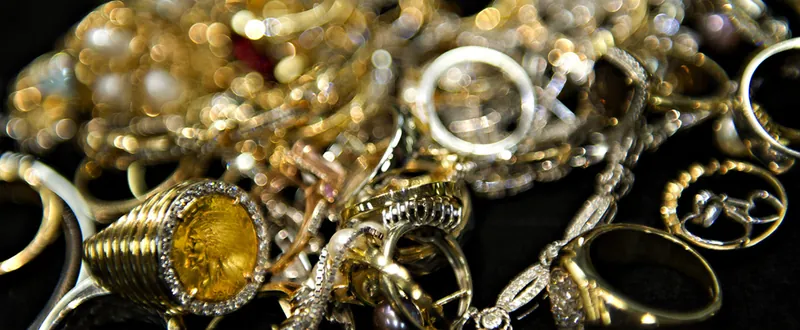
Also worth knowing: gold karat markings matter a lot. 24k is pure gold, 18k is 75 percent gold, 14k is 58.5 percent, 10k is 41.7 percent. An estate jewelry buyer will test your pieces, but knowing the karat and weight yourself means you can sanity-check their math on the spot. Some people show up with a kitchen scale and a printout. That's not paranoid, that's prepared.
Tip 6: Electronics and Tools Have a Specific Research Path
For electronics, check the manufacturer's current retail price and then check certified refurbished prices on the manufacturer's own site or on sites like Back Market. That refurbished price is essentially the ceiling a pawn shop near you will pay for a working item in good condition. They need to price it competitively against those certified options. For video games and consoles, PriceCharting.com is the gold standard, it tracks actual sales data and even distinguishes between loose cartridges, complete-in-box, and new-sealed copies.
Power tools are interesting because brand matters enormously. A used Milwaukee drill fetches more than a used drill from a no-name brand, sometimes twice as much, even if they perform identically. Know your brand's market position before you walk in.
eBay Sold Listings, General merchandise, electronics, collectibles
PriceCharting.com, Video games, consoles, retro electronics
Kitco.com or APMEX, Live gold and silver spot prices
Back Market / Manufacturer site, Certified refurbished electronics pricing
Facebook Marketplace, Local resale comparisons
Section 3: Negotiation Strategies That Maximize Your Payout or Minimize Your Cost
Most people treat a pawn shop visit like a retail transaction, the price is the price, take it or leave it. That's not how it works. Every experienced pawnbroker builds negotiation room into their opening offer. This is actually pretty standard practice, and knowing it changes everything about how you should walk into the conversation.
Tip 7: Let Them Go First, Then Counter with Data
Always let the shop make the first offer. Always. Never open by saying what you want, that anchors the conversation to your number and eliminates their incentive to offer more. Once they give you a number, say something like "I was looking at $X based on recent sales" and show them the eBay data on your phone. You're not arguing, you're providing information. Most pawnbrokers respect that and will move their number if your research is solid.
A reasonable counter is usually 20 to 30 percent above their opening offer. Don't ask for double, that kills the conversation. Ask for a number that still gives them enough room to profit, and you'll get it far more often than not.
Tip 8: Bring Documentation
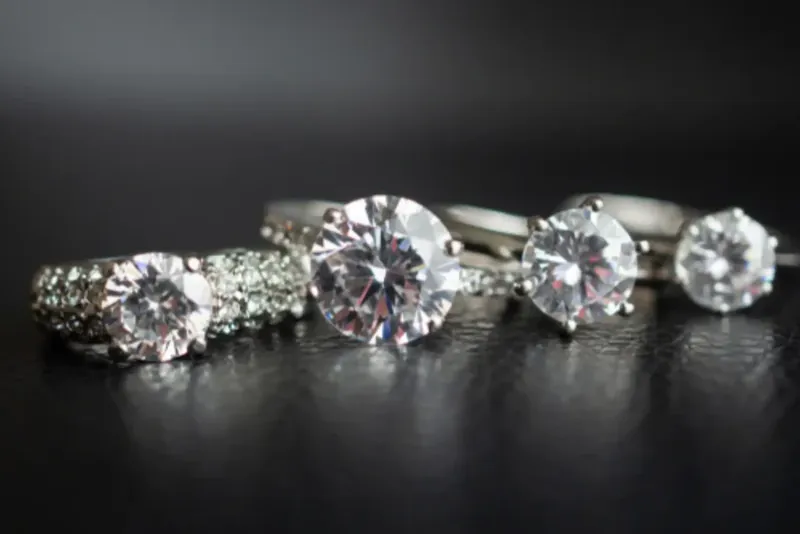
Original packaging, receipts, certificates of authenticity, appraisals, owner's manuals, all of it adds value. This is especially true for jewelry, collectibles, and high-end electronics. A diamond ring with a GIA certificate is worth meaningfully more to an estate jewelry buyer than an identical-looking ring with no paperwork, because they can verify and advertise what they're selling. Documented provenance can bump an offer by 10 to 20 percent in real dollar terms. On a $500 item that's $50 to $100 for something that takes zero extra effort on your part.
Clean your items too. A laptop that looks well-maintained signals to the appraiser that it was probably treated well internally. First impressions are real even in a pawn store.
Tip 9: Get Multiple Offers
Never accept the first offer from the first shop. Full stop. Prices vary wildly between locations, sometimes by 30 to 50 percent on the same item, depending on what inventory they already have and what their current buyers are looking for. Phoenix alone has 8 listings on Pawn Shop Pal, including top-rated spots like PawnCo (5.0 stars, 316 reviews) and Aztec Pawn (4.9 stars, 3,140 reviews). Birmingham has 9 listings. In any decent-sized city, you can realistically visit two or three collateral lenders in an afternoon and compare offers.
Getting multiple offers also gives you real negotiating power. "The shop on Fifth Street offered me $180" is a much stronger position than any amount of research alone.
And if you're trying to stretch your dollars in other areas of your budget while you're at it, checking out salvage grocery options in your area can free up extra cash the same way pawn shops do on the buying side, you get real value at a serious discount if you know where to look.
Section 4: Buying Smart and Finding the Best Shops Near You
Tip 10: Buy at Pawn Shops Strategically
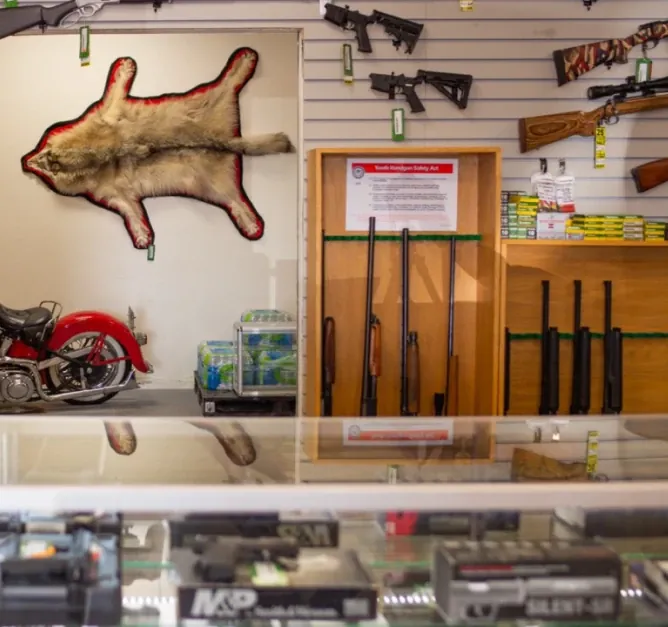
This side of the equation gets underrated. Buying used merchandise from a pawn shop near you is genuinely one of the best ways to get quality items at steep discounts. Musical instruments, power tools, jewelry, sporting goods, firearms (where legal), and electronics are all common inventory items that come through these stores constantly.
Consider a real comparison. A new mid-range acoustic guitar from a music retailer might run $350. A used version of the same model, sitting in a pawn store showcase, might be priced at $120 to $160. You're getting the same instrument. Same for tools: a barely-used DeWalt impact driver that retailed for $180 might be sitting on a pawn shop shelf for $65. These are not hypotheticals. These deals exist.
| Item | Avg. Retail Price | Typical Pawn Shop Price | Potential Savings |
|---|---|---|---|
| Mid-range acoustic guitar | $350 | $120–$160 | 54–66% |
| DeWalt impact driver | $180 | $55–$80 | 56–69% |
| 14k gold ring (5g) | $300–$400 retail | $130–$200 | 40–57% |
| PlayStation 5 (used) | $499 new | $300–$360 | 28–40% |
| Name-brand laptop (mid-tier) | $700–$900 | $250–$400 | 44–65% |
One thing worth noting about buying: ask if the shop offers any kind of return window or warranty on electronics. Reputable pawn services often offer a short testing period, sometimes 24 to 72 hours, to verify that an item works. If they don't mention it, ask. Shops that are confident in their inventory usually have no problem with this.
Finding reputable shops is easier than it used to be. Scottsdale Pawn Shop in Scottsdale, Arizona carries a perfect 5.0 stars across 870 reviews, that kind of volume with that rating is genuinely rare and worth paying attention to. R and F Pawnbrokers in Conway, Arkansas also holds a 5.0 with 50 reviews. High ratings with substantial review counts mean the consistency is real, not just a few friends leaving five stars.
For buying surplus and overstock items in general, it can also be worth checking our sister directory for surplus and overstock stores if you're hunting for deals on tools, home goods, or seasonal items that don't typically show up in pawn shop inventory.
✅ Test electronics before you leave the store, plug them in, turn them on
✅ Ask about the return or exchange policy for electronics
✅ Check for physical damage, missing parts, or signs of repair
✅ Compare the price to eBay sold listings on your phone right there in the store
✅ Negotiate, the sticker price is a starting point, not a ceiling
One thing I'd add: some of the best deals at a pawn shop are on items that look a little rough on the outside but work perfectly. A scuffed-up laptop case means nothing if the internals are solid. Don't let cosmetic condition scare you off without actually testing the item first.
Pawn shops that have been around for a decade or more in the same location tend to have better inventory management and more consistent pricing. New shops sometimes overprice because they're still figuring out what moves. Veteran shops know their market cold. That's not a hard rule, but it's a decent heuristic when you're choosing where to start.
Frequently Asked Questions
Does pawning something hurt my credit score?
No. Pawn loans are secured by your item, not by your creditworthiness. No credit check is run, and the loan is never reported to credit bureaus regardless of whether you repay or forfeit. This is one of the main reasons pawn services appeal to people who want short-term cash loans without any credit footprint.
What happens if I can't pay back my pawn loan in time?
If you don't pay back the loan within the redemption window, the shop keeps your item and sells it to recoup the loan amount.