5 Things to Check Before You Trust a Pawn Shop's Security Setup
Out of 136+ verified listings on Pawn Shop Pal, the ones rated closest to the 4.3-star average share something most people never think to look for: visible, working security. Not just a lock on the door. Real measures you can see and assess before you hand over your ID or walk out with something valuable. Most people focus on price. Smart ones check security first.

1. Look for Cameras That Actually Cover the Floor
Walk in and look up. A good pawn shop will have cameras mounted at angles that cover the counters, the entry, and the display cases. Not just one dusty dome camera pointed at the ceiling. You want to see multiple units, positioned with purpose.
Some shops mount cameras behind the counter only. That protects the staff. It doesn't necessarily protect you as a customer browsing the floor. If you can find a blind spot within thirty seconds of walking in, that's worth noticing.
And honestly, the condition of the cameras matters too. A camera with a cracked housing or a loose wire dangling behind it is not a reassuring sign. These places handle thousands of dollars in merchandise daily. The security equipment should look like someone actually maintains it.
2. Notice Whether the Staff Checks ID Consistently
Reputable pawn shops are legally required to log seller information, including government-issued ID, for every transaction. This isn't optional. It's how law enforcement tracks stolen goods. A shop that skips this step, or does it selectively, is cutting corners in ways that affect you.
Here's why that matters for buyers specifically: consistent ID logging means the shop is maintaining a paper trail on its inventory. That makes it less likely you're buying something with a questionable history. Not impossible. Less likely.
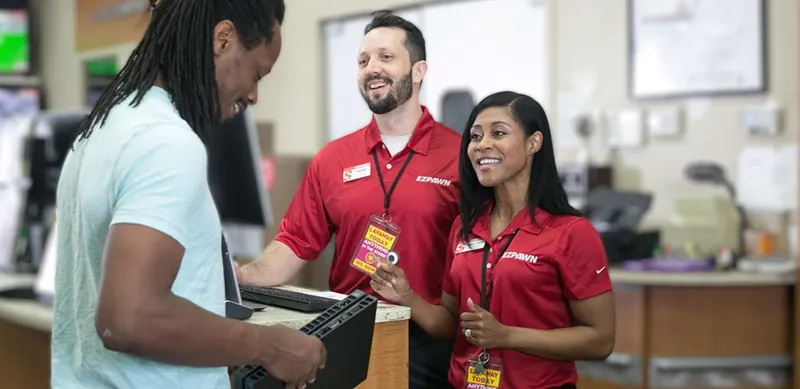
Watch how staff handle the person ahead of you in line. Do they ask for ID without being prompted? Do they log it in a computer system rather than a scribbled notepad? Those small procedural details say a lot about how seriously a shop takes compliance. I'd trust a store that makes ID checks feel routine over one that treats it like an inconvenience every time.
3. Pay Attention to How Merchandise Is Stored and Displayed
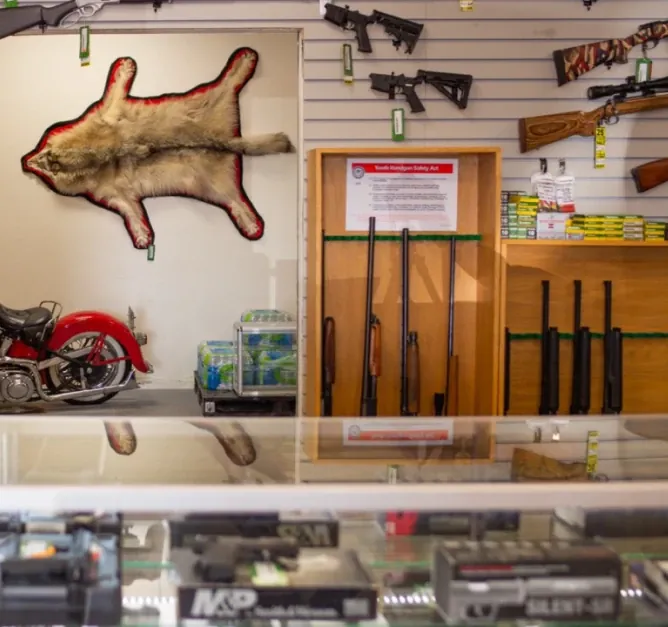
Locked cases for jewelry, electronics, and firearms are standard. But look closer. Are the cases actually locked, or just closed? Are higher-value items in a separate, more secure section of the store? Some pawn shops keep their most expensive pieces behind a second counter or in a back area with restricted access. That's a good sign.
Wait, that's not quite right to say it's only about locks. It's also about layout. A shop where everything is jumbled together, where a $900 guitar sits next to a $12 pair of headphones with no separation, suggests the staff hasn't thought carefully about what needs protecting. Organization and security often go hand in hand at these places.
One small thing: look at the price tags. Shops that use consistent, printed labels (rather than handwritten tape on a sticker) tend to run tighter operations overall. It sounds minor. It isn't.
4. Check for Staff Visibility on the Floor
A staffed shop is a safer shop. Simple as that.
Some pawn shops run with one person behind the counter who can't see half the store. Others station employees at different points, or use mirrors in the corners to extend sightlines. When you walk in, take a second to count how many staff members are visible and where they're positioned relative to the merchandise.
This matters for your safety as much as theft prevention. If something goes wrong, a confrontation, a dispute, a situation that escalates, you want staff nearby who can respond quickly. A solo employee locked behind bulletproof glass can call 911. They cannot do much else. Shops that invest in adequate staffing are telling you something about how seriously they take the environment inside their store.
Pawn shops in busier urban areas sometimes post a security guard near the entrance. That's not always necessary in smaller towns, but it's worth appreciating when you see it.
5. Ask Directly About Their Theft Reporting Process
Most people never do this. They should.
A legitimate pawn shop will have a clear process for working with local police on stolen property reports. Many are required by local ordinance to submit daily transaction logs to law enforcement. If you ask a simple question, something like "do you report transactions to the police database?", and the staff member looks confused or defensive, that tells you everything.
Good shops don't hesitate on this. They'll explain the process, mention the holding periods (many states require a 15 to 30 day hold before resale), and point to their compliance record without making you feel like you asked something strange. That kind of transparency is exactly what you're looking for in a verified listing.
Finding a pawn shop you can trust takes a little more than reading reviews. Use the listings on Pawn Shop Pal to start your search, then apply these checks in person before you commit to any transaction. A shop that passes all five of these? That's a place worth coming back to.