Before You Walk In: How to Read Pawn Shop Reviews Like You Mean It
Of the 136+ verified listings on Pawn Shop Pal, the average rating sits at 4.3 stars. That's actually pretty solid for any service business. But averages hide a lot, and a single visit to the wrong pawn shop can cost you real money or real frustration. Checking a shop's reputation before you go is one of the simplest things you can do, and most people skip it entirely.
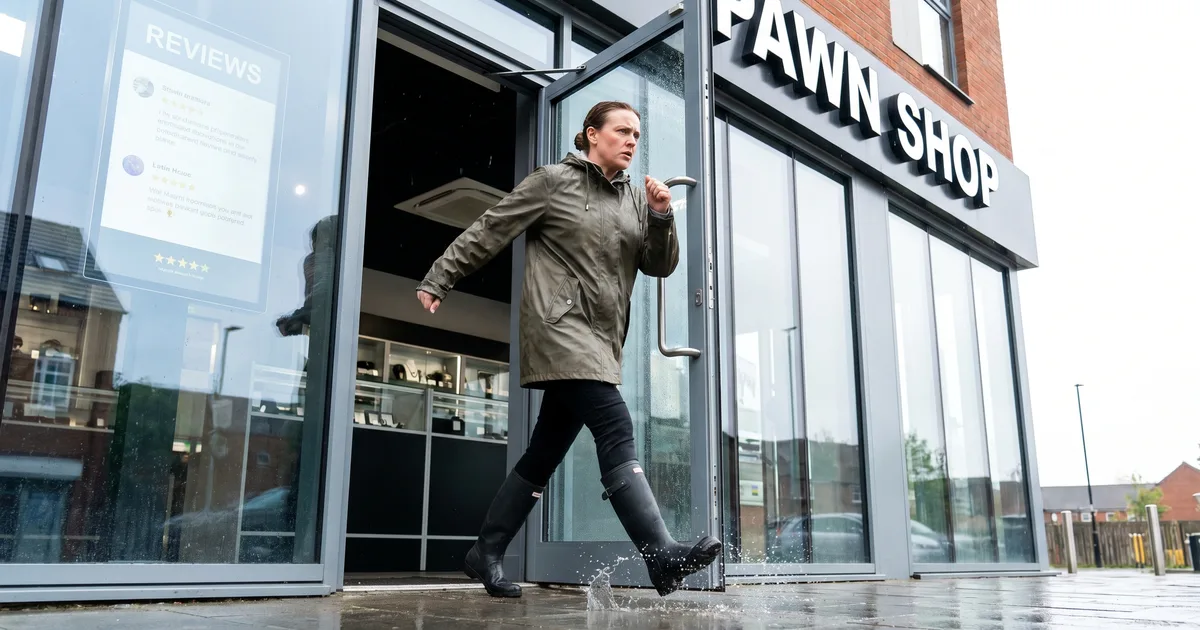
Here are four practical ways to research a pawn shop's reputation so you walk in ready, not guessing.
1. Start With the Rating, Then Read Past It
A star rating tells you the rough neighborhood you're in. Four stars is generally a good sign. Two stars is a warning. But the number alone won't tell you whether a shop is fair with pricing, honest about item condition, or even pleasant to deal with.
Read the actual text of reviews, especially the one- and two-star ones. Negative reviews are where the real information hides. Look for patterns: if three different people mention that the staff was dismissive about jewelry appraisals, that's a pattern. One angry review from someone who didn't get the price they wanted? That's probably just one bad day on both sides.
Pay attention to how recently reviews were written. A pawn shop with 50 reviews from 2019 and nothing since might have changed ownership, changed staff, or changed its pricing practices entirely. Fresh reviews, even if there are fewer of them, usually carry more weight than an old pile of five-stars.
2. Cross-Check on More Than One Platform
Google is the obvious starting point. Most pawn shops with any real volume of customers will have Google reviews. But do not stop there.
Yelp, Facebook, and even the Better Business Bureau can fill in gaps. Some customers only leave reviews on one platform, so you're missing part of the picture if you only check one. A shop might have 4.5 stars on Google and a string of complaints on Facebook about items being misrepresented. You wouldn't know unless you looked.
Worth noting: the BBB complaint section is free to search and often turns up issues that never made it into star reviews. People file complaints there when they feel genuinely wronged, not just mildly annoyed. It takes about 90 seconds to check.
And honestly, if a pawn shop has zero reviews anywhere on the internet, that itself tells you something.
3. Look for What Reviewers Actually Talk About
Not all positive reviews are equal. "Great place, would recommend!" tells you almost nothing. You want reviews that mention specifics: fair loan rates, honest item descriptions, knowledgeable staff, clear return policies.
When reading through reviews on a pawn shop listing, keep a loose mental checklist of what matters to you specifically. Going in to sell? Look for comments about whether the store gives fair offers or lowballs everything. Buying a used instrument or tool? Look for comments about item condition matching what was advertised. Taking out a pawn loan? Comments about interest rates and how staff explains the terms are the ones that matter most.
Vague praise is forgettable. Specific praise is reliable. One review that says "they told me exactly what the guitar was worth and why they couldn't go higher" is more useful than ten reviews that just say "friendly staff."
4. Use the Pawn Shop Pal Listing as Your Starting Point, Not Your Ending Point
Listings here give you a verified, organized place to find pawn shops near you, with ratings already surfaced. That's genuinely useful. But think of each listing as an introduction, not a full background check.
Click through to the shop's own website if they have one. A shop that posts its loan rates, buyback policies, or accepted item categories is usually a shop that isn't trying to hide anything. Transparency there tends to match transparency in person. Stores that keep everything vague online sometimes keep things vague at the counter too. That's been true more often than I'd expect.
Wait, that is not quite right to say "always." There are excellent pawn shops with bare-bones websites. The point is that extra public information is a good signal, not that the absence of it is a dealbreaker.
Call ahead if you have any doubts. A quick two-minute phone call to ask about a specific item category, like "do you take vintage cameras?" will tell you a lot about how the staff communicates before you ever step inside.
Ready to start? Browse the directory, find a shop near you, and spend five minutes on its reviews before you make the trip. That five minutes is worth it.