Pawn Shops Take Security More Seriously Than You Probably Think
Picture this: someone walks into a pawn shop, hands over a gold chain, gets cash, and walks out. No paperwork, no questions, no record of who they were. That's the image a lot of people carry around when they think about how these places operate. It's also almost entirely wrong. Modern pawn shops, especially those listed in a verified directory, run transactions through layers of documentation and identity verification that would surprise most first-time visitors.
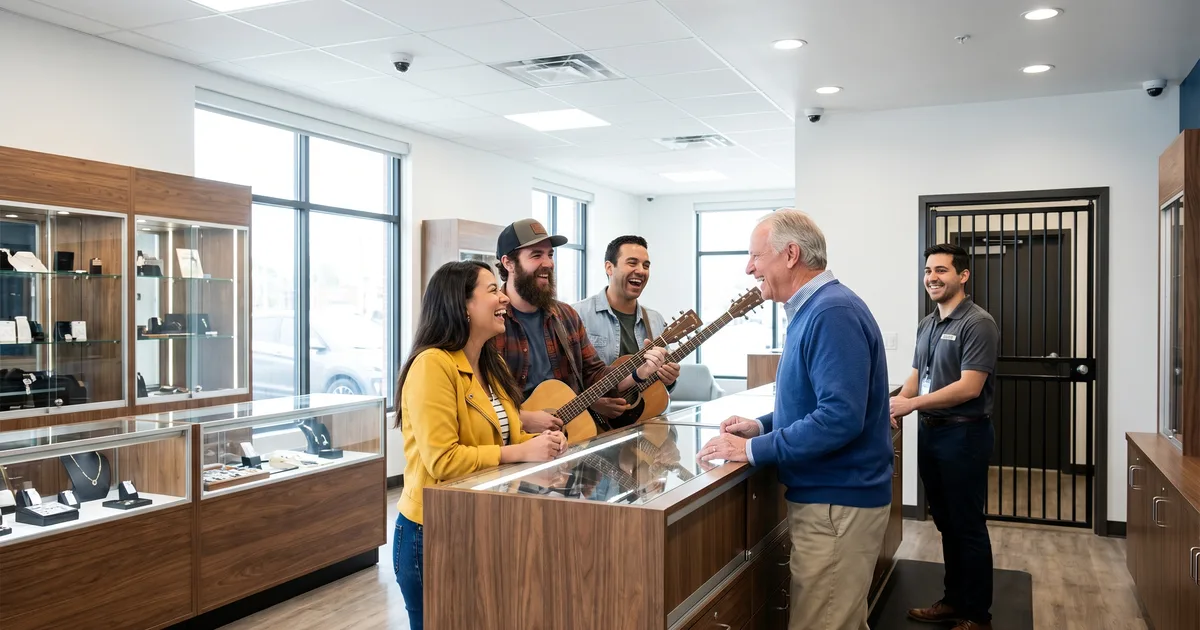
At Pawn Shop Pal, the 136+ verified listings are held to specific security standards before they earn a spot in the directory. That's not marketing language. It means something concrete every time you walk through the door.
Myth: Pawn Shops Don't Check Who You Are
This one is probably the most common misconception. Walk in, do a deal, leave. No trace.
Reality is very different. Listed pawn shops are required to verify government-issued ID for every transaction. Buying, selling, pawning, redeeming. Every single one. Staff log the ID details, often including ID number, expiration date, and physical description. Some locations photograph the ID directly into their point-of-sale system.
And honestly, that's a good thing for you as a customer. It means the person selling something next to you at the counter has also been identified. If something turns out to be stolen property, there's a paper trail that does not lead back to you.
Many states also require pawn shops to hold items for a mandatory waiting period, typically between 15 and 30 days, before reselling them. This gives law enforcement time to cross-reference incoming inventory against stolen property databases. Some shops run this check automatically on intake.
Myth: Cash Transactions at Pawn Shops Are Untraceable
People assume cash means invisible. It doesn't.
Most pawn shops operating under modern compliance standards log every cash transaction above a certain threshold and maintain those records for years. A single pawn loan, a resale, a buyout, all of it gets recorded with timestamps, item descriptions, and customer ID. Some states require pawn shops to submit this data to local police on a daily or weekly basis through electronic reporting systems.
Wait, that might actually sound alarming if you've never heard it before. It's not. It just means the shop is doing exactly what a legitimate business should do. Your transaction is on file, which protects both you and the shop if a dispute ever comes up later.
If you're pawning your own property and come back to redeem it, that record is your proof of ownership. Keep your ticket, obviously, but the shop's own records back you up.
Myth: Security Cameras at These Places Are Just for Show
Some people figure the cameras are decorative. Old footage, nobody watching, stored on a VHS tape from 2003.
Pawn shops that meet listing standards are expected to maintain working surveillance systems. That usually means cameras covering the counter, the entrance, and the sales floor. Footage retention requirements vary, but 30 days is a common minimum. High-traffic pawn shops in urban areas sometimes run systems with multiple angles on every transaction point.
This matters for a practical reason. If something goes wrong during your visit, whether that's a dispute over an item's condition, a pricing disagreement, or something more serious, there is recorded documentation of what happened. A good facility treats that footage as a business asset, not an afterthought.
One more thing worth knowing: the cameras also protect staff. Counter employees at pawn shops handle significant amounts of cash and high-value items daily. Working surveillance is as much about their safety as it is about yours.
Myth: Stolen Goods Slip Through Easily
This is the reputation pawn shops have fought for decades. It's not accurate for shops that are actually operating by the rules.
Verified pawn shops cross-reference incoming items against stolen property databases. LeadsOnline and similar platforms connect directly to law enforcement records, and many shops use them on every intake. Serialized items like electronics, firearms, and certain jewelry get checked before they're accepted. Staff are also trained to flag items that look tampered with or that come in without original packaging or documentation in suspicious circumstances.
Does every sketchy item get caught every time? No, and that would be a dishonest claim. But the process is far more rigorous than the pop culture version of a pawn shop suggests. Shops that skip these checks face real legal exposure, and shops listed in a quality directory have agreed to meet standards that make skipping them much less likely.
Buying something from a verified pawn shop is a meaningfully different transaction than buying from a random person on a classified ads site. That's not an opinion, that's just how the documentation works.
What This Means For You
Security standards at listed pawn shops are not abstract policy. They show up in specific, visible ways every time you visit.
Bring valid ID to every transaction. Do not expect to buy, sell, or pawn anything without it, and don't be put off when they ask. That process protects you just as much as it protects the shop. If you're buying something and want to know whether the item has a clean history, it's completely reasonable to ask the staff what their intake process looked like for that item. A shop that's doing things right will have an answer.
Also worth doing: save your receipts. Every time. Pawn transactions are documented on the shop's side, but your copy of the receipt is your fastest proof if anything ever comes into question. Most good pawn shops print detailed receipts that include item description, transaction date, your name, and a reference number.
Security practices exist because pawn shops sit at a real intersection of high-value goods, cash, and strangers. Shops that take that seriously are shops worth visiting. Start with the verified listings at Pawn Shop Pal, where average ratings sit at 4.3 stars, and you're already starting from a better position than walking in blind.