Spending More Than You Planned Is Easier Than You Think at a Pawn Shop
You walk in looking for a used guitar. You leave with the guitar, a pocket knife, a vintage watch, and somehow a power drill you did not need. Sound familiar? Pawn shops are genuinely great places to find real value, but without a number in your head before you walk through the door, it is very easy to spend twice what you intended. This article breaks down the most common budget mistakes people make at pawn shops, and how to avoid them.
Myth 1: "I'll Know When I've Spent Too Much"
This is probably the most common and most expensive belief people carry into a pawn shop. The thinking goes: I'm a reasonable adult, I'll just feel it when the spending gets out of hand. But pawn shops are not like grocery stores where every item has a fixed price tag and a running total on your cart.
Prices vary by item, condition, and even by who's working the counter that day. A $40 item sits next to a $400 item with similar-looking tags. You pick things up, put them down, pick them up again. And because everything is priced individually, your brain doesn't add it up the way it would at checkout. Honestly, it's almost designed to blur the total.
Set a hard number before you go. Not a range. A number. Write it on your phone. If your budget is $75, that's your ceiling, not a suggestion. Pawn shops across Pawn Shop Pal's 136+ verified listings average a 4.3-star rating, which tells you these are legitimate, well-run businesses. But a good store doesn't protect your wallet. That part is on you.
Myth 2: "If Something Is Cheap, It Doesn't Really Count Against the Budget"
Small purchases are where budgets quietly collapse.
You find a $5 phone case. Then a $12 book. A $9 charging cable. None of these feel like real spending because each one is so minor on its own. But four or five of those in one visit adds up to $40 before you've even looked at the item you actually came for. This is sometimes called "death by a thousand small deals," and pawn shops are full of small deals.
One practical move: split your budget into two mental buckets. Decide before you walk in how much you're willing to spend on your main item and how much you'll allow for impulse finds. For example, if your total budget is $100, maybe $75 is reserved for the thing you came for and $25 is your "browse" allowance. Once the browse money is gone, it's gone. That structure sounds simple, and it is. It also actually works.
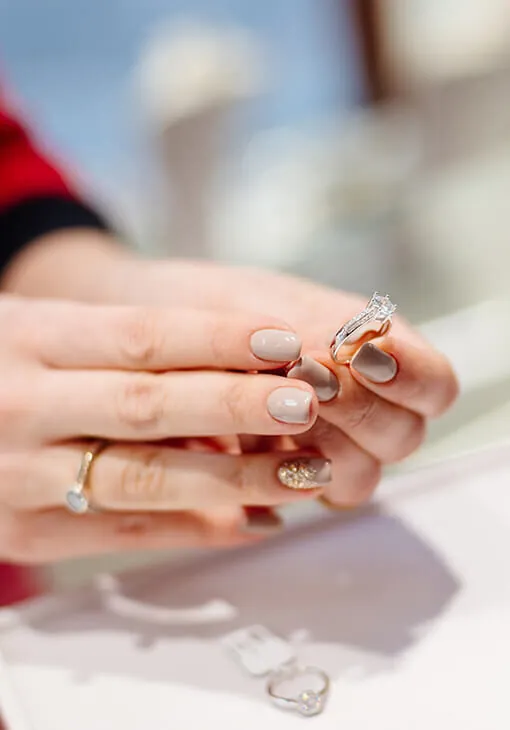
Wait, that's not quite right to say it's purely about small items. Sometimes the impulse buy is a $200 piece of jewelry you didn't expect to love. The principle holds either way: every dollar you spend on something unplanned is a dollar that was supposed to go somewhere else.
Myth 3: "I Can Negotiate My Way Down to Anything"
Negotiating at pawn shops is real. It happens. Staff at many of these places have some flexibility on price, especially for higher-ticket items. But going in with a budget that only works if you negotiate everything down to the wire is a bad plan.
Set your budget assuming you'll pay the asking price. If you negotiate successfully, that's a bonus, not a financial strategy. People who budget around hoped-for discounts tend to overspend when negotiations don't go their way, which is often enough to matter. And sometimes the item is already priced fairly. Pushing for a discount on something that's already a good deal can sour the whole transaction.
A better approach: know the fair market value of what you want before you go. Check eBay sold listings or a quick Google search for used prices. If the pawn shop price is already close to market rate, that's your ceiling. If it's well above, you have a specific number to negotiate toward, not just a vague sense that you'd like it cheaper.
Myth 4: "My Budget Doesn't Need to Include Tax"
Straightforward one, but people forget it constantly. Sales tax at a pawn shop applies just like anywhere else. Depending on your state, that could add 6 to 10 percent to every item you buy.
On a $90 item, that's an extra $5 to $9. Not devastating. But if you've budgeted exactly $90 and you're in a state with 9% sales tax, you're either coming up short or dipping into money you didn't plan to spend. Build tax into your number from the start. If your budget is $100, plan to spend $90 on merchandise and keep $10 as your tax cushion. Simple math, easy to forget in the moment.
Myth 5: "I Don't Need to Think About This Until I'm There"
Pre-visit planning sounds overly serious for what is, in many cases, a casual browse. But five minutes of thinking before you walk into a pawn shop genuinely changes the outcome.
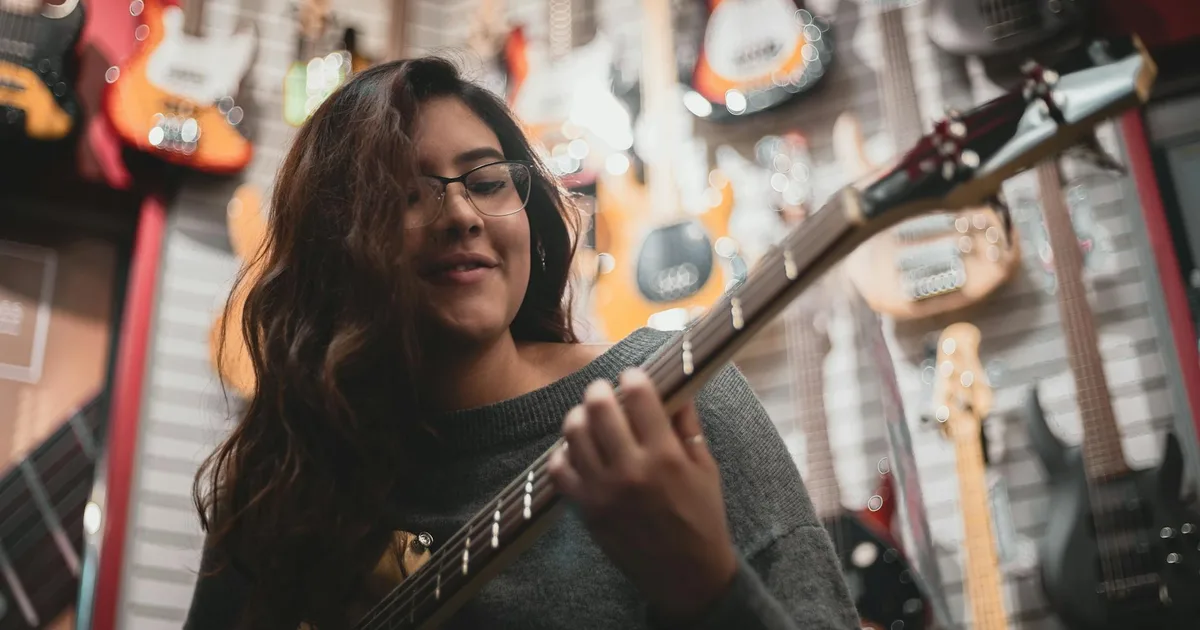
Decide what you're looking for. Set your number. Check the store's listing on Pawn Shop Pal so you know what to expect in terms of inventory and hours. Some pawn shops specialize, so knowing that ahead of time means you don't drive across town for something they don't typically carry. A few of the stores I've seen listed focus heavily on musical instruments or electronics, while others are more general. That detail matters when you're planning a specific buy.
And one more thing worth saying plainly: leaving your credit card at home and bringing only the cash you've budgeted is one of the most effective tactics available. It sounds extreme. It is not. Cash has a natural hard stop that a card does not. When the cash is gone, the visit is over. No second-guessing, no "just this one more thing." A lot of experienced pawn shop regulars swear by this approach, and once you try it, you'll understand why.
What This Means For You
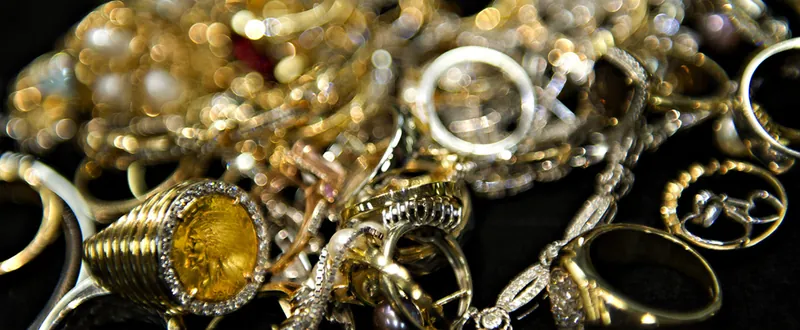
Pawn shops offer genuinely good value. Used gear, vintage finds, tools, electronics, jewelry, all at prices below retail, often well below. But that value only lands in your favor if you're the one controlling the spending, not the environment.
Pick a number before you go. Account for tax. Separate your main-item budget from your impulse budget. Know the market value of what you want. And if you can, leave the card at home