The Questions You Forget to Ask at a Pawn Shop (And Why They Matter)
You walk in, spot something you like, check the price tag, and head to the counter. Feels simple enough. But a lot of people leave a pawn shop later wondering why the return window closed faster than expected, or why the layaway terms were different from what they assumed. None of that had to happen. The staff knew the answers. Nobody asked.
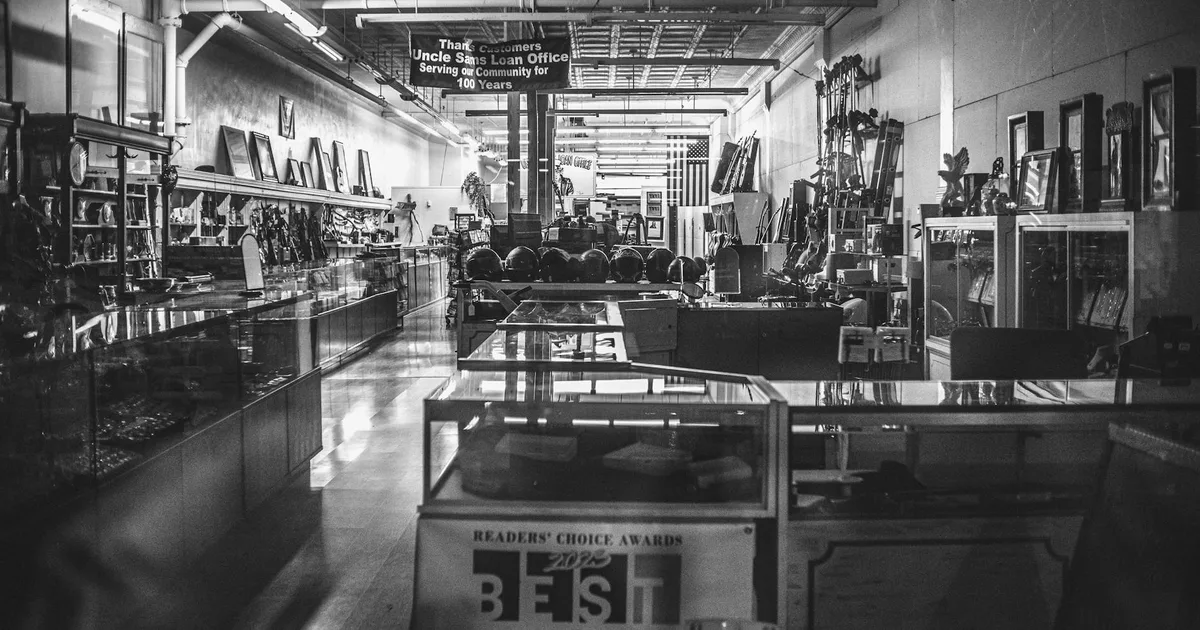
Pawn shops are not like big-box stores where policies are printed on signs above every register. Each shop sets its own rules, and those rules can vary a lot from one location to the next. That's actually one of the more surprising things about browsing through a directory like Pawn Shop Pal, which has 136+ verified listings. Even among well-rated shops averaging 4.3 stars, the policies on things like holds, returns, and haggling differ from store to store. Knowing the right questions to ask before you commit is the fastest way to shop with confidence.
Here are four practical things to ask about every time you visit a pawn shop.
1. Ask About the Return and Exchange Policy Before You Buy
This one trips people up constantly. Most folks assume pawn shops work like thrift stores, meaning all sales are final. Sometimes that's true. But a lot of pawn shops do offer short return windows, especially on electronics, and you will never know unless you ask directly at the counter before paying.
A good question to open with: "If this doesn't work when I get home, what's my option?" You'd be surprised how often that single question changes the whole conversation. Some shops will offer a 24-hour or 48-hour test period on items like laptops or game consoles. Others will swap a defective item for store credit. A few really do hold firm on final sale. All of those are fine, honestly. You just need to know which one you're dealing with before you hand over cash.
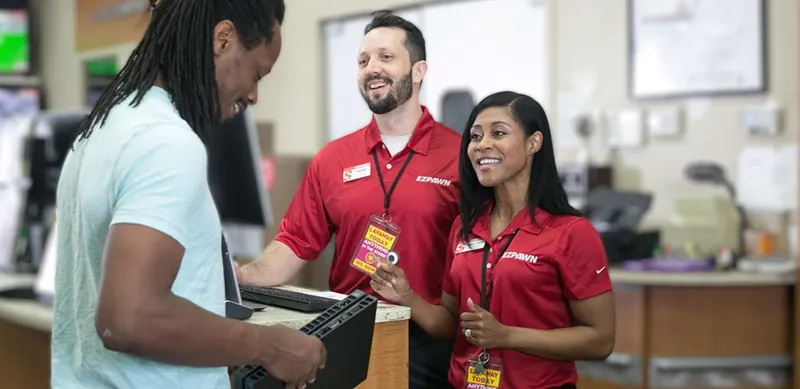
Ask the question while you're still holding the item. Not after you've paid. Timing matters here.
2. Ask Whether the Price Is Negotiable
Pawn shops are one of the few retail environments left where negotiating is genuinely expected. Not aggressive bargaining, just a calm, direct ask. Most staff working the floor have some room to move on price, and they're used to customers asking. It's not rude. It's actually part of how the business works.
Something like "Is there any flexibility on this price?" is all you need. Short, polite, and to the point. You might get a small discount, you might get a bundle deal if you're buying more than one item, or you might hear that the price is firm because it was just marked down. Any answer is useful information. What you do not want to do is assume the sticker price is the ceiling and overpay when a simple question would have saved you ten or fifteen dollars.
Worth noting: if an item has been sitting on the shelf for a while, staff are often more willing to deal. You can ask about that too. "Has this been here long?" is a completely reasonable thing to say, and it tends to open up honest conversations about pricing.
3. Ask About Layaway or Hold Options
Not every pawn shop offers layaway, but more do than people expect. If you find something you want but don't have the full amount with you, asking about a hold policy could save the item for you without losing it to the next person who walks in. Some shops will hold an item with a small deposit for 24 to 72 hours. Others have more formal layaway plans that stretch out over a few weeks.
And here's a detail that catches people off guard: deposits on holds are often non-refundable if you change your mind. So ask about that specifically. "If I put a deposit down and decide not to buy it, do I get that back?" is a fair and direct question, and any good shop will answer it plainly. A staff member who gets annoyed by that question is actually telling you something useful about how they operate.
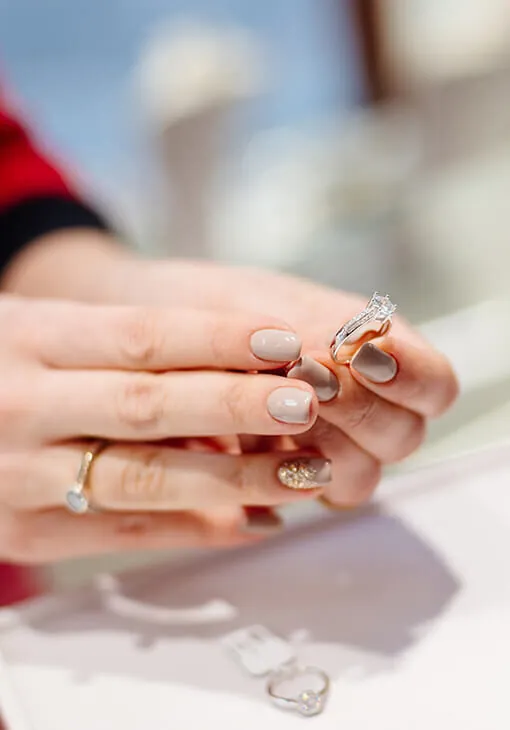
Policies on holds also sometimes depend on the item category. Jewelry tends to have different rules than tools or electronics. Ask once, generally, and then ask again if you're looking at something in a different category on the same visit.
4. Ask About Testing Items In the Store
This is the most underused question on this list. Most pawn shops will let you test electronics, instruments, or power tools before buying. You just have to ask if you can. Many people stand there turning an item over in their hands, trying to inspect it visually, when they could simply say "Can I plug this in and try it?"
Honestly, any shop worth visiting will say yes without hesitation. That's not a controversial thing to ask. A guitar, an amp, a camera, a cordless drill: all of these can be tested right there at the counter or near an outlet, and that five-minute test is worth more than any written description on the tag.
If a shop says no to testing a working electronic with no explanation, that's a piece of information too. Take it into account before you decide.
Pawn shops reward curious customers. Staff at these places deal with all kinds of buyers every day, and the ones who ask clear questions tend to walk out with better deals and fewer regrets. Next time you're browsing, make it a habit to ask before you assume. The answers are usually right there waiting.
Ready to find a shop near you? Browse the verified listings on Pawn Shop Pal and read real reviews before your next visit.