The Quiet Hours at a Pawn Shop Are When the Real Conversations Happen
You walk in on a Saturday afternoon and the place is packed. Three people ahead of you at the counter, staff running back and forth, and the one employee who actually knows about vintage guitars is stuck doing paperwork. You leave without the answer you needed. Sound familiar? Timing your visit differently can change the whole experience, and that's what this article is about.

Myth 1: Pawn Shops Are Just as Easy to Deal With No Matter When You Go
A lot of people assume a pawn shop is a pawn shop. Walk in, look around, ask a question, leave. But that's not how it works in practice.
Staff at busy pawn shops juggle a lot at once. They're appraising items, handling loans, running transactions, and answering the phone, sometimes all within the same five minutes. During peak hours, usually weekend afternoons and lunch rushes on weekdays, you are competing with every other customer in the store for a sliver of someone's attention.
Come in on a Tuesday morning, though? Different story entirely.
You'll likely find the same staff, but with actual time to talk. That matters more than people realize. If you're trying to find out whether a piece of jewelry is real gold, or if that old camera body is worth what the tag says, you need someone who can stop and think with you, not someone who's already looking past you to the next customer in line.
Actionable: aim for weekday mornings, ideally before noon. Call ahead if you're not sure about their slow periods. Most staff will tell you honestly when they're least busy.
Myth 2: Off-Peak Visits Are Only Useful If You're Selling Something
This one comes up a lot. People think the timing trick is only for folks bringing items in to sell or pawn. Not true at all.
Buyers get just as much out of a quieter visit, maybe more. Here's why. Pawn shops often have a lot of inventory that doesn't make it onto the shelves right away. Staff who have a moment to breathe are far more likely to mention something they just got in, or check the back for an item that matches what you're looking for, or actually explain the return policy in full rather than just gesturing at the sign on the wall.
Worth noting: across Pawn Shop Pal's 136+ verified listings, the average rating sits at 4.3 stars. Those top-rated shops tend to get praised specifically for helpful, knowledgeable staff. That kind of service doesn't happen when someone is slammed.
Actionable: tell the staff what you're hunting for when you walk in during a slow period. Don't just browse silently. A two-minute conversation at a quiet counter can surface items that would take you an hour to find on your own.
Myth 3: Early Mornings Mean Less Inventory to Look At
Some people avoid opening time because they think the good stuff gets picked over by serious collectors who camp out. And okay, yes, for certain high-demand items that's occasionally true. But for most categories at a pawn shop, this fear is overblown.
Pawn shops receive new items constantly, sometimes daily. Loans default, estate items come in, people clean out garages. Early morning visitors are not necessarily arriving after the action; they're often arriving right alongside fresh inventory that just got processed.
And here's a thing I find genuinely underappreciated: staff who just opened up are often in a good mood and more willing to have a real conversation about pricing. Not always. But more often than not.
Wait, that's not quite the full picture either. Some pawn shops do their pricing reviews early in the day, which means early visitors might catch items that haven't been fully tagged yet and get a chance to ask about them before a price is locked in. That's a real advantage if you're patient and chatty.
Actionable: ask staff when they typically process new intake. Some stores do it nightly, some weekly. Knowing that schedule helps you plan your visit around fresh arrivals, not just slow foot traffic.
Myth 4: You Can Get the Same Personalized Help Online or by Phone
Pawn shops are physical places built on in-person trust. Calling ahead is useful for basic questions, sure. But the real value of a pawn shop interaction, whether you're buying, selling, or just getting something appraised, comes from being there in person with someone's full attention.
Photos don't capture condition the way a trained eye does. Descriptions of an item over the phone are always incomplete. And negotiating anything, price, loan terms, a trade, works better face to face when both parties have time to talk.
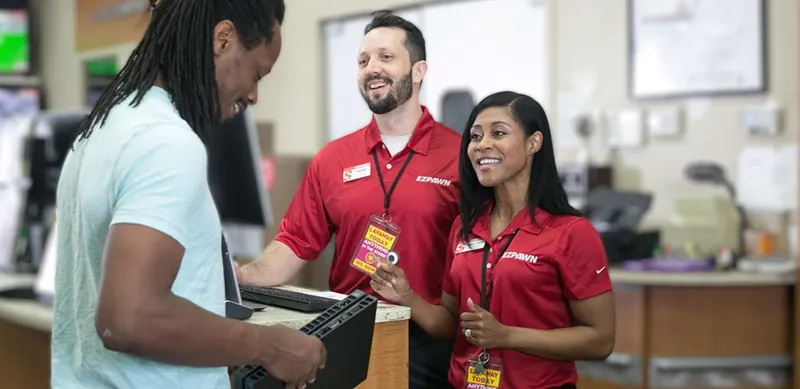
Off-peak hours give you that face-to-face time without the crowd pressure. You do not have to rush. Staff do not have to rush. That's when the real back-and-forth happens.
One small observation from browsing a lot of these stores: the ones with the most interesting and fairly priced inventory tend to have staff who actually remember regular customers by name. That kind of relationship starts with one unhurried visit at a quiet moment, not a frantic Saturday browse.
Actionable: treat your first off-peak visit as a scouting trip. Introduce yourself, mention what you collect or what you're looking for, and let staff put a face to the request. It pays off over time.
What This Means For You
Pawn shops reward the people who show up prepared and at the right moment. Weekday mornings and early afternoons are almost always the best windows. Staff have more time, the floor is less chaotic, and conversations that actually lead somewhere become possible.
Busy Saturdays are fine for browsing. But if you want real help, real information, or a real shot at a better deal, go when the place is quiet.
Use Pawn Shop Pal to find a well-rated pawn shop near you, check their hours, and plan your visit for a time when you're not one of twelve people waiting at the counter. A small shift in timing can make a surprisingly big difference in what you walk away with.