The Scrap of Paper That Saved Me $200 at the Pawn Shop
136 verified pawn shops, all rated an average of 4.3 stars, and most people walk into them with nothing but their eyes and their gut. That's the gap between a good deal and a great one. Writing things down sounds almost embarrassingly simple, but the difference it makes is real.
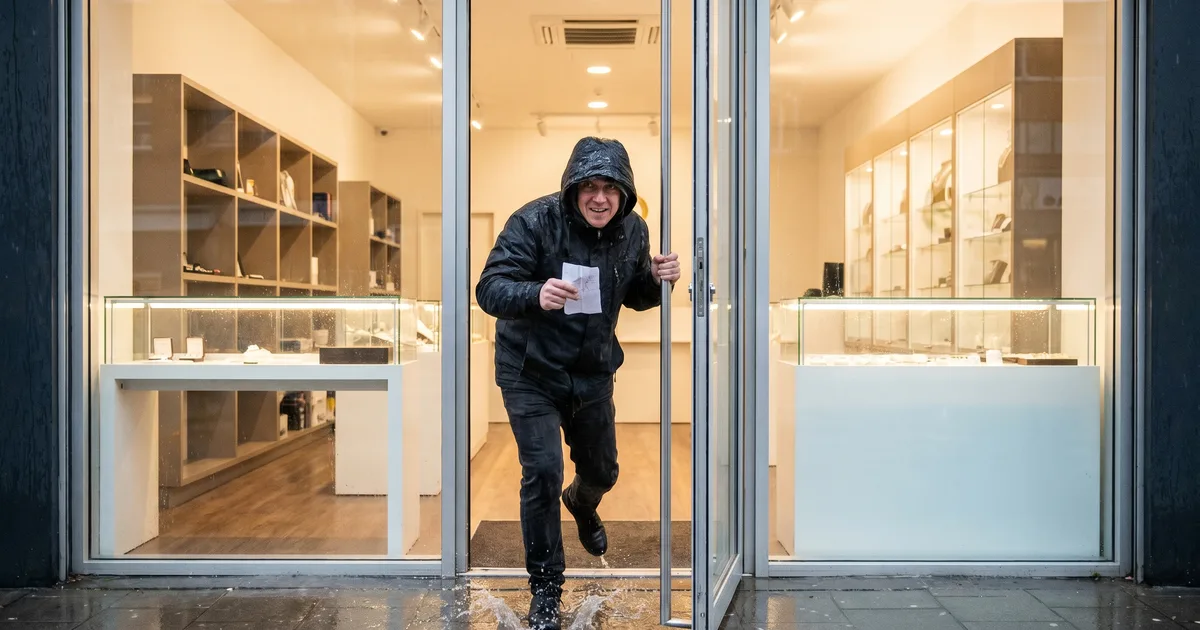
Picture this: you're standing in front of a glass case at a pawn shop, looking at a vintage acoustic guitar tagged at $180. You think it might be a deal. You're not sure. You move on, see fifteen other things, and by the time you're back at your car, you cannot remember if the price was $180 or $280. That moment of uncertainty costs you. Either you go back and overpay because you lost your reference point, or you talk yourself out of it and miss something genuinely good.
A note on your phone or a folded receipt in your pocket fixes all of that.
What to Actually Write Down (And Why It Matters More Than You Think)
Most people, if they take notes at all, jot down a price and nothing else. That's a start, but it's not enough. Write the item description, the condition, any visible flaws, the brand if there is one, and the asking price. All of it. Takes thirty seconds.
Here's why the condition notes matter so much: pawn shops price based on what they paid and what they think they can get, not always on a strict condition grading system like you'd find on eBay. A guitar tagged at $180 might have a hairline crack on the body that drops its real market value to $120. If you didn't note the crack, you can't factor it into your comparison later. You'll just remember "guitar, $180" and think it was fair.
Okay, yes, this does feel a little obsessive the first time you do it. But give it one trip and you'll see.
Specific things worth capturing: serial numbers if visible (useful for quick online checks), the name of the store location, and whether the item was behind glass or on open shelves. Open-shelf items at pawn shops are often priced to move faster. That's a small detail that can tell you something about how flexible the shop might be on price.
Comparing Across Multiple Shops
Pawn shops in the same city don't coordinate pricing. Two shops ten minutes apart can have the same model of power drill priced at $45 and $90 respectively. Both of them think they're being reasonable. Without notes, you cannot catch that gap.
When you're visiting more than one location in a day, which is genuinely worth doing, your notes become a running price sheet. You start to see patterns. Certain categories, like tools or musical instruments, tend to cluster in a price range. Others, like electronics or jewelry, swing wildly depending on the shop. Knowing that from your own notes, not from some general guide, is actually useful.
Write the store name at the top of each section. Keep each shop's items grouped together. Later, when you're sitting at home deciding whether to go back, you won't have to trust your memory.
One more thing: note the date. Pawn shop inventory moves fast. An item you saw two weeks ago may be gone, or it may still be there and now the shop is more motivated to deal. Either way, the date gives you context.
Using Your Notes to Negotiate
Negotiation at a pawn shop is normal. Expected, even. Most staff are not surprised when someone asks for a better price. What does surprise them, in a good way, is a buyer who comes in prepared.
If you have a note that says "same Craftsman drill, Store B, $52, minor surface rust," you have something real to work with. You are not just saying "I saw it cheaper somewhere else." You're saying where, how much, and what condition. That's a specific, credible reference. Shops respect that. It shows you're not just trying to chisel them down on a whim.
And here's the part people don't expect: sometimes showing your notes actually builds a little trust. It signals that you've done your homework and you're a serious buyer, not someone wasting their time. Staff at pawn shops talk to a lot of people who are vague and uncommitted. Being precise sets you apart.
Don't overthink the format of your notes. A basic list on your phone's notes app works fine. A small notebook works fine. Even a napkin works fine, though you'll want something slightly more durable if you're visiting several shops in a day.
Making It a Habit
One visit with notes will not change how you see pawn shop buying. But five visits will. You'll start building a rough mental map of what things are actually worth in your area, based on real prices you've seen, not what someone on a forum said two years ago.
Pawn shops are one of the few places where consistent, patient buyers genuinely do better over time. The inventory changes constantly. Prices shift. Shops that were inflated six months ago sometimes recalibrate. Your notes become a small personal database that keeps getting more useful.
Start small. Next time you walk into a pawn shop, pull out your phone before you even look at the cases and open a blank note. Just having it ready changes how you pay attention.
You'll notice more. You'll remember more. And more often than not, you'll leave with a better deal than the person who was just browsing.