What a 4-Star Rating Actually Tells You About a Pawn Shop
You pull up a pawn shop online, see a handful of reviews, and think: good enough. But two weeks later you're standing at the counter wondering why the staff seems annoyed you're asking questions, and the price on the tag doesn't match what you were quoted. Sound familiar? That gap between "looks fine online" and "actually fine in person" is exactly what this is about.
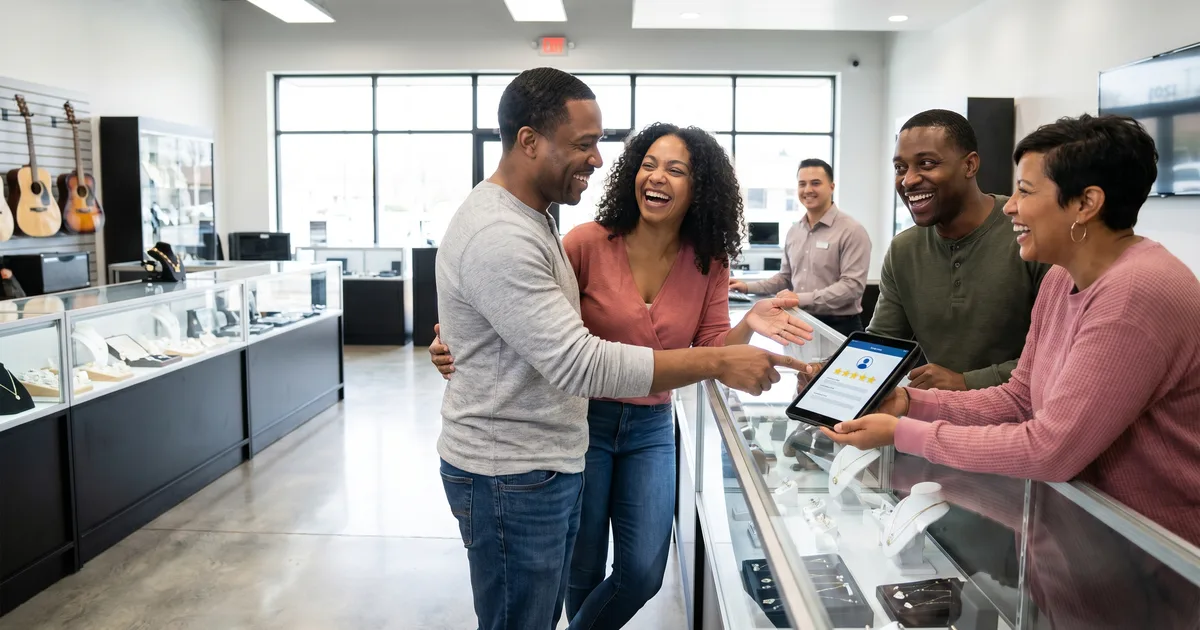
Myth: Any Pawn Shop With a Few Reviews Is Good Enough to Visit
A few reviews mean almost nothing on their own. Volume matters. So does consistency over time. A shop with six reviews, four of which are from the same week two years ago, tells you very little about what walking in today will feel like.
Pawn shops listed here carry an average rating of 4.3 stars across 136+ verified listings. That number didn't come from skimming the top results in each city. It reflects real filtering. Shops that consistently drew complaints about deceptive pricing, rude staff, or items that weren't as described simply don't make the cut. And honestly, that bar matters more than people realize, because the pawn industry has a long reputation for being hit-or-miss.
What you should actually do: look at the total review count, not just the star number. A shop with 4.6 stars and 11 reviews is not automatically better than one with 4.2 stars and 340 reviews. More reviews mean the rating has actually been tested by real foot traffic over time.
Myth: Negative Reviews Are Just Disgruntled Sellers, Not Buyers
This one comes up a lot. People assume that bad reviews at pawn shops are almost always from people who felt lowballed when selling something. And sure, that happens. Someone expects $200 for a guitar and gets offered $60, then leaves one star in frustration.
But look closer at the negative reviews on poorly rated shops and you'll see a different pattern. Complaints about items being misrepresented. Staff quoting one price, then charging another at the register. Products sold without working condition being verified. Those aren't seller complaints. Those are buyer complaints. And they're the ones that should actually change your decision about where to go.
A shop that handles buyers well tends to show it in review language. Words like "honest," "fair price," and "no pressure" show up repeatedly in the reviews of well-rated stores. That's not a coincidence. It reflects a real culture inside the shop.
Worth checking before you go: scan the most recent 10 to 15 reviews specifically for buyer language, not seller language. If the positive reviews are mostly about "they gave me a great deal on my stuff," that's useful but not the same as knowing they treat people buying fairly too.
Myth: High Ratings Mean the Prices Will Be Good
Not exactly. A pawn shop can have genuinely excellent customer service, clean displays, knowledgeable staff, and still price things on the higher end. Reviews don't grade pricing strategy. They grade experience.
This matters because people sometimes walk into a well-reviewed shop expecting deals and leave feeling misled when the prices aren't that far off from retail. That's not a review problem. That's a misunderstanding of what the rating is actually measuring.
Wait, that's not quite right either. Pricing does show up in reviews, just indirectly. Phrases like "reasonable prices" or "overpriced for a pawn shop" appear in reviews when the gap between expectations and reality is big enough to mention. So a sustained 4.3 average or higher across a large number of reviews does suggest that most buyers felt the value was fair, even if not every item was a steal.
High ratings are a signal of trustworthiness, not a coupon. Go in with that framing and you'll have a much better time.
Myth: You Can't Tell Much From Reviews Because People Are Unreliable
People are unreliable individually. In aggregate, though, patterns are hard to fake. One person leaving a bad review about a broken item might be an outlier. Fifteen people mentioning the same thing over 18 months is a pattern. That's what aggregate ratings actually capture.
Shops that show up in a curated directory aren't just sitting at a static score. Feedback continues to come in. A shop that was solid three years ago but has slipped in quality will eventually show it in the numbers. That kind of ongoing signal is genuinely useful.
One practical move: sort reviews by "newest" rather than "most relevant" before visiting any pawn shop. Older glowing reviews don't tell you what the place is like now. Recent ones do.
What This Means For You
Picking a pawn shop based on verified customer feedback isn't about chasing perfection. It's about cutting out the shops that have already proven they're not worth your time or money. There are enough good ones out there that you do not need to gamble on a place with a spotty record.
Use the ratings as a starting filter. Then read the actual reviews. Pay attention to buyer language specifically. And when you find a shop that keeps showing up as consistent, honest, and fairly priced across dozens of reviews over years of activity, that's the one worth making your regular stop.
Browse the listings and sort by rating. It takes about two minutes and it can save you a genuinely frustrating afternoon.