What You Should Know Before You Walk Into a Pawn Shop
Ever walked into a store with no idea what you were looking for? That feeling hits differently at a pawn shop. You step inside and there are guitars hanging next to power tools, a glass case full of gold rings, and a stack of video game consoles that somehow still have the original boxes. It's a lot. And if you haven't done a bit of homework first, it's easy to walk out with nothing, or worse, to miss something genuinely good because you didn't know what you were looking at.
A little preparation goes a long way. Not hours of research, just enough to know what these places tend to carry and what fair prices look like before you arrive.
What Pawn Shops Actually Carry
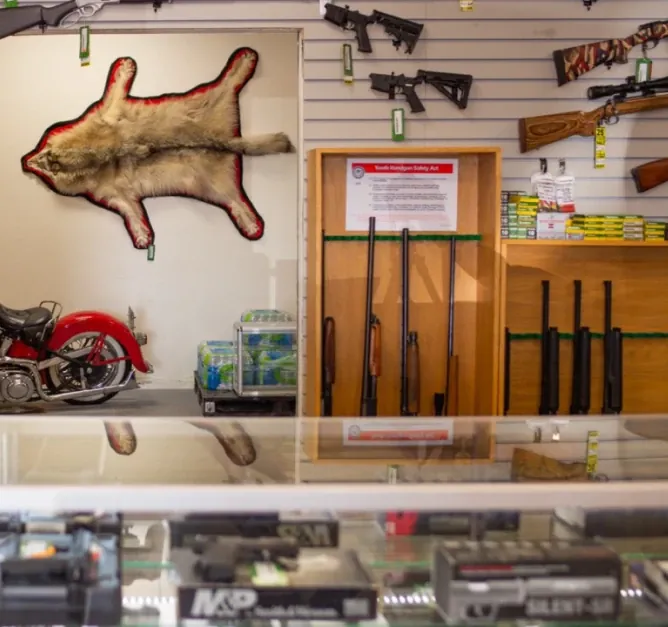
Most people picture jewelry and electronics. That's accurate, but it's only part of the picture. Pawn shops regularly stock musical instruments, hand tools, power tools, sporting goods, firearms (where permitted), collectibles, and vintage items that you would not find in a regular retail store. Some locations lean heavily into one category, like a shop near a music scene that has amps and guitars on every wall.
Knowing the general categories ahead of time means you can walk in with a plan instead of wandering. Pick one or two categories you actually want and focus there first.
Worth noting: inventory changes fast. A pawn shop is not a static store. Items come in daily, and good pieces move quickly. That Fender Stratocaster might be gone by Thursday. So even if you've checked a shop before and didn't find anything useful, it pays to look again.
And yes, condition varies wildly. Some items are barely used. Others have seen better decades. Research helps you tell the difference before you commit to buying something.
Pricing Research You Can Actually Do at Home
This is where a little effort pays off the most. Before visiting a pawn shop, spend fifteen minutes on eBay's "sold listings" filter to see what similar items actually sold for, not what sellers are asking, but what buyers actually paid. There's a meaningful difference. A guitar listed for $400 might be selling for $220 consistently.
Do the same on Facebook Marketplace and Craigslist for your local area. Pawn shop prices are often competitive, sometimes better than private sellers, but not always. You won't know unless you check.
Pawn Shop Pal has 136+ verified listings, which means you can look up shops in your area before you go and read reviews from real visitors. Some reviewers mention specific categories a shop is strong in, like one store known for having well-priced vintage watches, or another that consistently has quality hand tools. That kind of detail saves you a trip to the wrong location.
One thing worth doing: write a rough price range on your phone for whatever you're hunting. Not a fixed ceiling, just a ballpark. It keeps you grounded when you're standing in front of something shiny and the salesperson is being enthusiastic.
Understanding What Moves Fast and What Sits
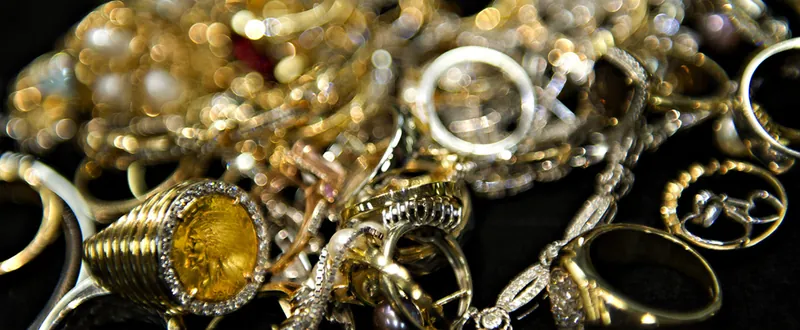
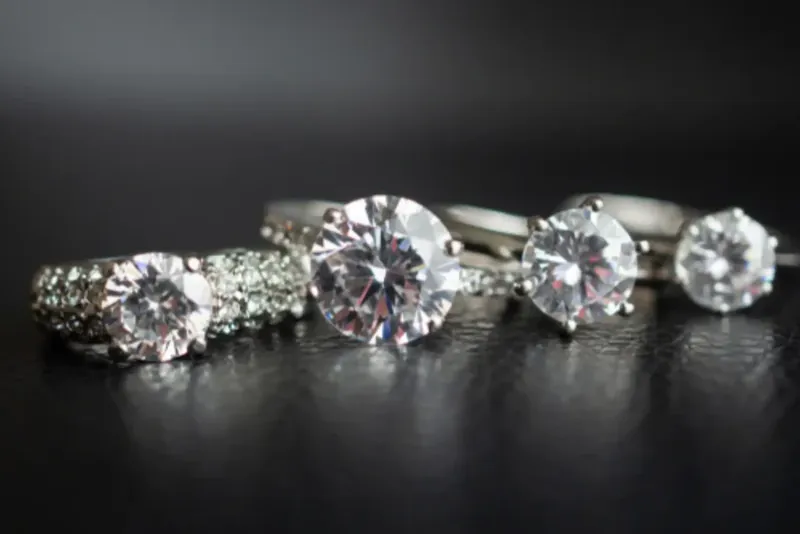
Gold and silver jewelry moves quickly at pawn shops because the value is tied to metal weight, which is easy to verify. Electronics with brand recognition, think Apple, Sony, DeWalt, also tend to go fast. If you want those categories, go early in the week. Shops often get new inventory over the weekend as people bring things in for quick cash.
Slower-moving items, things like niche collectibles, obscure instruments, or specialty tools, tend to sit longer. Honestly, that's where the best deals often hide. A shop might not know exactly what a vintage reel-to-reel tape deck is worth to a specific buyer, and it's been sitting there for two months. That's your moment.
Research what's niche in your interest area before you go. If you collect vintage cameras, know the model names. If you're into woodworking, know what a quality hand plane looks like versus a cheap one. That knowledge is your advantage.
It also helps to understand how pawn shops price in the first place. They're buying low and selling at a margin, but they're not trying to squeeze every dollar. Most are open to reasonable offers, especially on items that have been sitting.
Making the Visit Count
Show up without rushing. Pawn shops reward patience. The person who spends twenty minutes actually looking at the cases usually finds something the quick browser walks past.
Ask questions. Staff at these places often know the provenance of items because the seller came in and told them. You can learn a lot just by asking, "how long has this been here?" or "do you know anything about where it came from?" Surprisingly often, they do.
Bring your phone. Check prices in real time if something catches your eye. No good pawn shop employee is going to be offended by that. It's just smart buying.
And go back. Pawn shops are worth revisiting because the inventory is genuinely different from week to week. The shop that had nothing useful last month might have exactly what you want sitting in the case today. Building a habit of checking a few local shops regularly, using Pawn Shop Pal to find ones with strong ratings in your area, turns occasional luck into consistent finds.
In practice, the preparation doesn't need to be complicated. Know the categories, check some sold prices online, and walk in with a clear head. That's really all it takes to get real value from these places instead of just wandering around hoping something jumps out at you.