Coins, Vintage Tools, and Rare Finds: What Specialty Collectible Pawn Shops Actually Look Like Inside
Ever walked into a pawn shop and had no idea what you were looking at? That's more common than people admit, and it's especially true with specialty collectibles. These aren't your standard electronics-and-jewelry operations. They're a different category entirely, and knowing that before you walk in saves a lot of confusion.

Specialty collectibles pawn shops focus on items with historical, cultural, or hobby-specific value. Think coin collections, vintage hand tools, rare musical instruments, antique memorabilia, and oddities that don't fit neatly into any other box. The inventory tends to be slower-moving, more carefully priced, and often more interesting than what you'd find at a general pawn shop.
What These Places Actually Carry
Coins are usually the anchor. A lot of specialty collectibles shops got their start in numismatics, which is just a fancy word for coin collecting and dealing. You'll often find display cases with graded coins in plastic slabs, foreign currency, old U.S. silver dollars, and sometimes entire estates bought in bulk. Prices vary wildly based on grade and rarity.
Musical instruments show up frequently too. Vintage guitars, trumpets, accordions, banjos, and occasionally full drum kits. Some of these come in beaten up. Others are genuinely pristine pieces that ended up at a pawn shop because someone needed fast cash, not because anything was wrong with the instrument. That's honestly one of the more exciting parts of browsing these stores.
Vintage tools deserve their own mention. Old Stanley hand planes, Disston saws, machinist tools, and cast iron levels from the early 1900s all tend to show up in shops that know what they're doing. Not every shop carries them, but the ones that do usually have staff who understand the difference between a user-grade plane and a collector piece. Worth asking about if you don't see them on the shelves.
And then there's the miscellaneous rare collectibles category, which is where things get unpredictable. Sports cards, vintage advertising signs, military medals, scientific instruments, typewriters, fountain pens. You don't always know what you're going to find. That unpredictability is either annoying or wonderful depending on your personality.
How Specialty Collectibles Shops Differ from General Pawn Shops
General pawn shops take almost anything with resale value. Power tools, flat-screen TVs, game consoles, jewelry. They move volume. Specialty collectibles shops work differently. They tend to be more selective about what they accept and more knowledgeable about what they're buying.
That matters for you as a buyer.
Staff at a specialty shop are more likely to give you accurate context about an item. Not always, but more often than at a generalist shop where the person behind the counter might not know a 1964-D Peace Dollar from a clad quarter. (To be fair, most people don't.) At a specialty operation, that knowledge tends to be there because it has to be, or they'd lose money on every deal.
Pricing reflects this too. Specialty collectibles shops don't always have the lowest prices. They're often closer to market value than a general pawn shop might be, because the staff actually knows what things are worth. That's not a complaint. It's just the tradeoff for buying from someone who knows what they're selling.
One thing worth noting: general pawn shops sometimes have incredible deals on collectibles precisely because the staff doesn't recognize what they have. Both types of stores have their advantages. But if you want consistent, knowledgeable inventory in one category, specialty shops are the better bet.
What to Expect During Your Visit
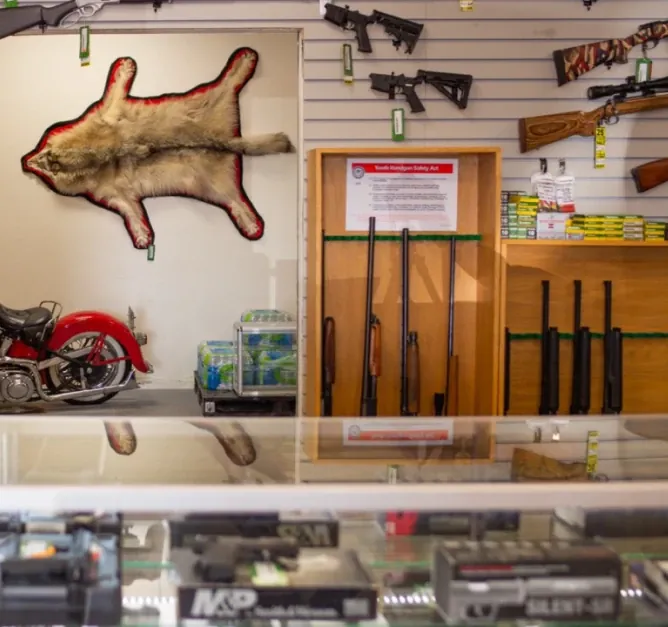
Walking into one of these stores for the first time, the layout can feel dense. Display cases are common, and items are often grouped by category rather than price. Coins in one case, instruments on a wall rack, tools on shelving in the back. Some shops have items tagged with prices. Others prefer to talk through pricing, especially on higher-value pieces.
Don't be shy about asking questions. Seriously. These shops tend to attract staff who like talking about the stuff they sell. Ask about provenance, condition grades, or whether a coin has been cleaned. A cleaned coin, by the way, is worth significantly less to collectors even if it looks nicer to the untrained eye. That's one of those things that catches new buyers off guard.
Pawn Shop Pal has 136+ verified listings across this category, with an average rating of 4.3 stars. That's a solid baseline for quality, and it means you're not going in blind when you use the directory to find a shop near you.
Parking at these places can be hit or miss. A lot of specialty collectibles shops operate in older commercial strips or small standalone buildings, not big-box plazas. Plan for that. It's worth the extra block.
Tips for Getting the Most Out of a Visit
Do a little homework before you go. If you're looking for coins, know the basic grading scale. If instruments are your thing, bring a tuner or know what to listen for in terms of action and intonation. You don't need to be an expert, but walking in with zero context means you're relying entirely on the seller to educate you, and that's not always the best position to be in.
Ask if they do appraisals or have an in-house expert for the category you care about. Some specialty collectibles shops have staff who specialize in one area and are more general in others. Knowing that upfront saves time.
Also, check back regularly. Inventory at these shops turns over based on what gets pawned or sold in, not based on a buying schedule. A shop that had nothing interesting in January might have an estate collection of vintage tools come through in March. Regular visits beat one-time trips almost every time.
Haggling is usually fine on higher-ticket items. Not aggressive haggling, just a reasonable conversation. Shops that deal in collectibles expect it. They've built some room into the price.
Frequently Asked Questions
- Are specialty collectibles pawn shops different from antique stores? Yes. Pawn shops also offer loans against items and buy directly from individuals, while antique stores typically buy from dealers and estates. The inventory mix and pricing logic differ as a result.
- Can I sell or pawn items at a specialty collectibles shop? Most accept both pawns and outright sales. Specialty shops may
More Ways to Save