Gold & Jewelry Buyers Are Not All the Same — Here's How to Tell the Good Ones Apart
Most people assume any pawn shop will buy their gold. That's only half true. A specialty gold and jewelry buyer operates differently from a general pawn shop, and walking into the wrong one can cost you real money on a sale or leave you frustrated after a repair estimate that felt like a guess.

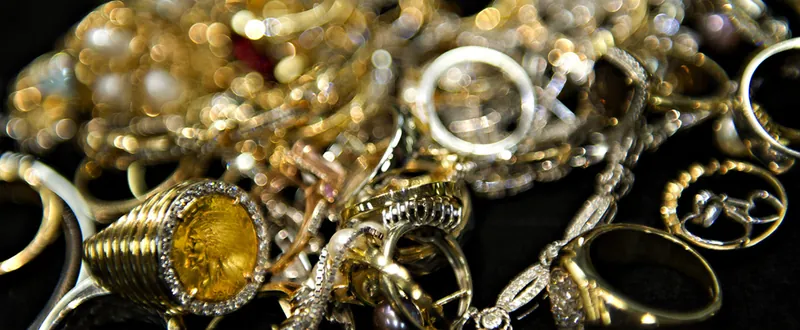
Gold and jewelry buyers are specialty businesses focused almost entirely on precious metals and fine jewelry. Gold, silver, diamonds, platinum, estate pieces, vintage watches. That's their world. They're not trying to also sell you a guitar or a power drill. And that focus matters more than most people realize before their first visit.
What Actually Happens Inside One of These Places
Walking into a gold and jewelry buyer for the first time can feel a little clinical. Glass cases, bright lighting, a scale sitting on the counter. It's quieter than a pawn shop and usually smaller.
Staff at these stores are trained to evaluate precious metals and stones specifically. They'll test your gold's karat weight, often using acid testing or an electronic tester, and weigh it on a calibrated scale right in front of you. You should be able to watch the whole process. If someone disappears into a back room with your jewelry before giving you a number, that's worth paying attention to.
Good ones will explain what they found. "This is 14 karat, it weighs 4.2 grams, spot price today is X, and we're offering Y." That transparency is the baseline you should expect, not a bonus.
Prices fluctuate with the metals market, so the offer you get on a Tuesday might be slightly different from Friday. That's not a trick. It's just how commodity pricing works.
How These Businesses Differ from General Pawn Shops
A standard pawn shop accepts almost anything with resale value. Electronics, tools, instruments, jewelry. They're generalists. A gold and jewelry buyer has narrowed their entire operation around one category.
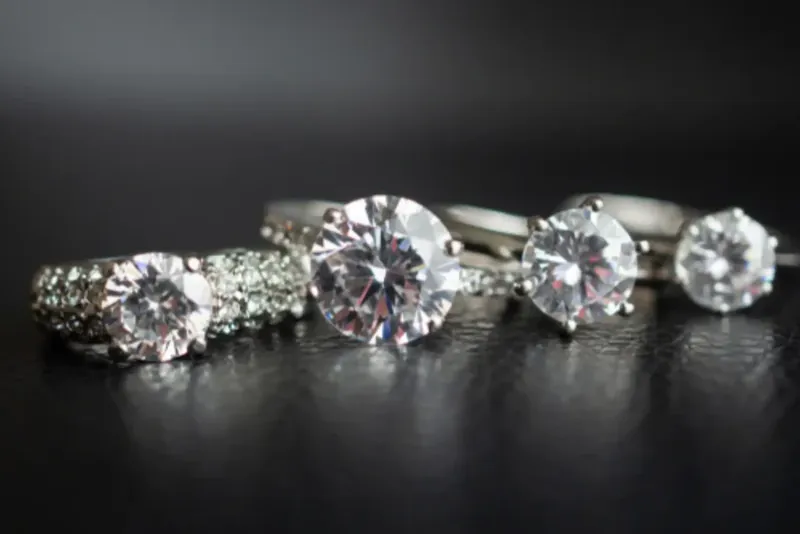
That specialization usually means a few concrete things. Better testing equipment. Staff who actually know the difference between a diamond and a moissanite. A more accurate appraisal process for estate pieces that have design or historical value beyond their raw metal weight. And honestly, more competitive offers on fine jewelry because they have direct buyers and established wholesale channels that a general pawn shop may not.
Wait, that's not quite right to say universally, some pawn shops have excellent jewelry staff and some specialty buyers are mediocre. But as a general rule, if you're selling a diamond ring or a set of inherited silver flatware, a dedicated gold and jewelry buyer is the smarter first stop.
Estate jewelry deserves its own mention. These are pieces with potential collector or antique value, and a specialty buyer is far more likely to recognize that value than a shop that treats everything as scrap. An art deco brooch is not the same as a broken gold chain, and a good buyer knows the difference.
Finding a Reliable Buyer Through Pawn Shop Pal
Pawn Shop Pal has 136+ verified listings in the gold and jewelry buyers category, with an average rating of 4.3 stars across those locations. That's a solid signal that most of these businesses are operating professionally, but it also means there's real variance between them. A 4.3 average includes some 5-star shops and some 3-star ones.
Read the reviews with a specific lens. Look for mentions of transparency during the weighing and testing process. Look for comments about whether staff explained the offer clearly. Negative reviews that mention "lowball offers with no explanation" are more useful warning signs than vague one-star complaints.
Location matters in a practical sense too. Some of these stores are tucked into strip malls or small storefronts with minimal signage. A few I've seen online have parking that's genuinely annoying, which sounds trivial until you're carrying a box of estate jewelry and circling the block twice. Worth checking the map view before you drive out.
Calling ahead is underrated. Ask if they handle the specific type of piece you're bringing. A buyer who mostly deals in scrap gold may not be the best fit for a Victorian mourning brooch.
What to Bring and How to Prepare
Bring any documentation you have. Original receipts, prior appraisals, certificates for diamonds. These don't guarantee a higher offer, but they give the buyer context and can support a negotiation if the piece has documented value above its material worth.
Do not clean your jewelry aggressively before bringing it in. A light wipe is fine. Heavy cleaning can sometimes obscure details a buyer needs to assess, and it doesn't affect the metal weight or stone quality anyway. That's a small thing, but people do it thinking it helps.
Get more than one offer if the piece is valuable. Specialty gold and jewelry buyers don't always match each other's prices, and a second opinion on a significant piece takes maybe an hour of your time. On a $500 piece, a 15% difference in offers is $75. Worth the extra stop.
These places exist because people have gold, silver, and jewelry sitting in drawers that they'd rather convert to cash. They're built for exactly that transaction. Go in knowing what you have, watch the process, ask questions, and you'll come out with a fair deal more often than not.