Inside a Traditional Pawn Shop: What Actually Happens When You Walk Through the Door
Ever wondered what goes on inside a pawn shop? Most people have a rough idea, but the reality is a bit more layered than the stereotype suggests. Traditional pawn shops have been around for centuries, and for good reason. They fill a gap that banks and thrift stores simply do not cover.

These places operate on a straightforward model: they buy outright, accept items on loan, and sell secondhand goods to the public. Three things happening under one roof. That's actually pretty rare in retail.
What a Traditional Pawn Shop Actually Does
A traditional pawn shop runs three distinct transactions. You can sell something and walk out with cash. You can pawn something, meaning you leave it as collateral for a short-term loan and get it back when you repay. Or you can buy something from their floor inventory at a fraction of the retail price.
Most people mix up selling and pawning. Selling is permanent. Pawning is temporary. When you pawn a guitar, for example, the shop holds it for a set period (often 30 to 90 days depending on the state), and you pay a fee plus interest to reclaim it. If you do not come back, the shop keeps the item and puts it on the shelf. Simple as that.
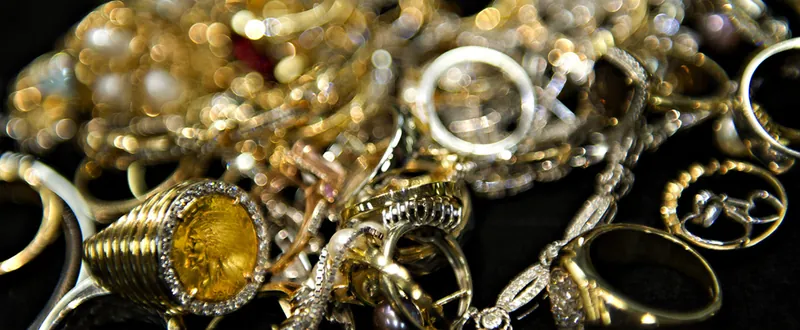
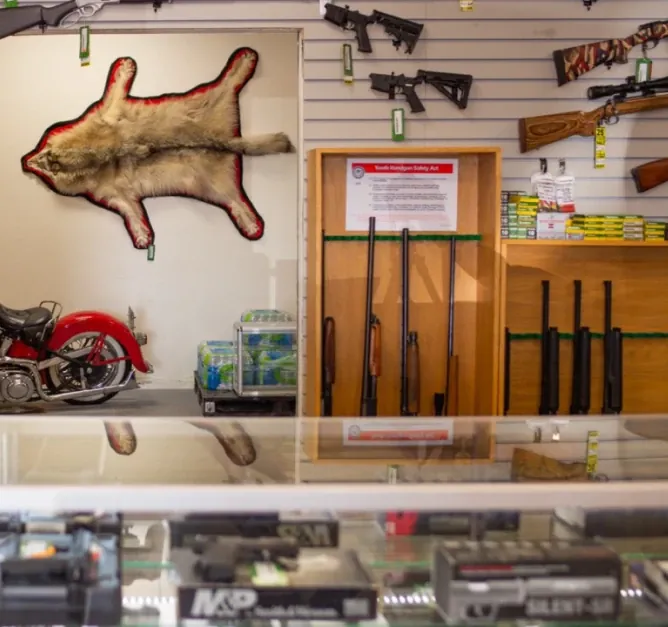
The inventory inside a traditional pawn shop tends to reflect whatever the local community brings in. Jewelry is almost always present, usually in a locked case near the front. Electronics like smartphones, tablets, and gaming consoles move fast. Tools, especially name brands like DeWalt or Milwaukee, are incredibly common. Household items round out the rest.
Honestly, the tool section alone is worth a visit even if you came in for something else.
Actionable tip: If you're looking for a specific item, call ahead. Many traditional pawn shops get new stock daily, and the staff can tell you whether they have what you need before you make the trip.
How These Stores Differ From Similar Businesses
Traditional pawn shops get lumped in with thrift stores and consignment shops, but they operate very differently. Thrift stores typically receive donations and price items loosely. Consignment shops sell on behalf of the owner and split the profit. A pawn shop buys the item outright or holds it as collateral. No waiting. No splits. Cash on the spot.
Buy-here-pay-here electronics stores also come to mind as a comparison. But those places sell on installment plans and rarely deal in a wide mix of categories. A traditional pawn shop might have a diamond ring sitting next to a cordless drill sitting next to a PlayStation. That range is the point.
Wait, that's not quite right to say the range is just a side effect. It's actually the core appeal. You're shopping based on what came in, not what a buyer curated. That makes every visit genuinely different.
One practical difference worth knowing: traditional pawn shops are regulated at the state and sometimes city level. They are required to log every item they receive, including serial numbers, and they work with local law enforcement to flag stolen goods. That accountability is something a casual secondhand seller on an app does not have to deal with.
Actionable tip: Ask to see the item's serial number before buying electronics. A reputable traditional pawn shop will have it on file and won't hesitate to show you.
What to Expect When You Walk In
Walking into one for the first time can feel a little disorienting. The layout is usually dense. Display cases, wall-mounted pegboards with tools, shelving units, and sometimes a separate jewelry counter staffed separately from the main register. Some larger stores have a back area for bigger items like musical instruments or sporting equipment.
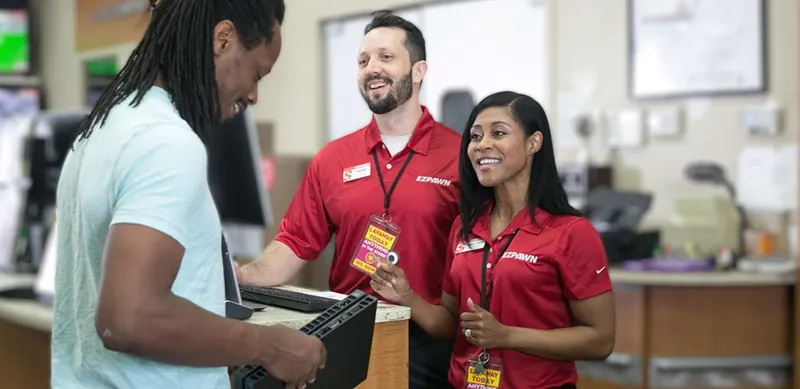
Prices are typically marked, but negotiation is expected. Not aggressive haggling, just a calm ask. "Is there any flexibility on this?" is enough. Staff at these stores are used to it. In fact, many customers who visit traditional pawn shops regularly say the negotiation is part of what they enjoy.
Pawn Shop Pal lists 136+ verified traditional pawn shops with an average rating of 4.3 stars, which tells you something useful: these are not fly-by-night operations. Most have been in business long enough to build real reputations.
One small thing you might notice: pricing stickers on older inventory sometimes have multiple layers. A previous price crossed out, a new one written over it. That's a good signal the item has been sitting a while and the shop may be ready to move it.
Actionable tip: Visit mid-week if you can. Weekends bring more foot traffic, and staff have less time to talk through items or negotiate carefully with you.
Tips for Getting the Most Out of Your Visit
Go in with a clear idea of what you want to accomplish. Browsing is fine, but if you're there to sell, bring a government-issued ID. Every traditional pawn shop is legally required to collect it. This is not optional and is not personal. It's the law in most states.
If you're pawning something valuable, check the shop's redemption terms before you hand anything over. Interest rates and loan periods vary by state and by store. A 30-day loan at one place might be a 60-day loan at another. Know what you're agreeing to.
For buyers, condition matters more than price. A $40 drill in working order beats a $20 drill that needs a new battery pack you'll spend $35 on. Ask the staff to plug in or power on electronics before you commit. Reputable stores expect this and will accommodate it.
And bring cash when you can. Some shops accept cards, but cash gives you a little more room when asking for a better price.
Frequently Asked Questions
- Do traditional pawn shops take everything? No. Most focus on items that hold resale value: jewelry, electronics, tools, and musical instruments. They generally pass on clothing, books, and large furniture.
- Is pawning the same as selling? No. Pawning is a loan against your item. You get it back when you repay. Selling is final. Make sure you know which transaction you're agreeing to before you sign.
- Are prices fixed? Usually marked, but often negotiable. It depends on the shop and how long the item has been sitting.
- Do I need an ID to sell or pawn? Yes, in virtually every state. Bring
More Ways to Save