Used Guns, Hunting Gear, and Pocket Knives: What You'll Actually Find at a Firearms Pawn Shop
You've probably walked past a pawn shop before, glanced at the window display, and had no idea whether it was worth going inside. That's especially true for firearms and outdoors stores. Are they just cluttered back rooms with rusty shotguns? Do they actually carry quality gear? And how are they different from your local sporting goods chain or a licensed gun dealer? Good questions. This article answers all of them.
What This Type of Store Actually Is
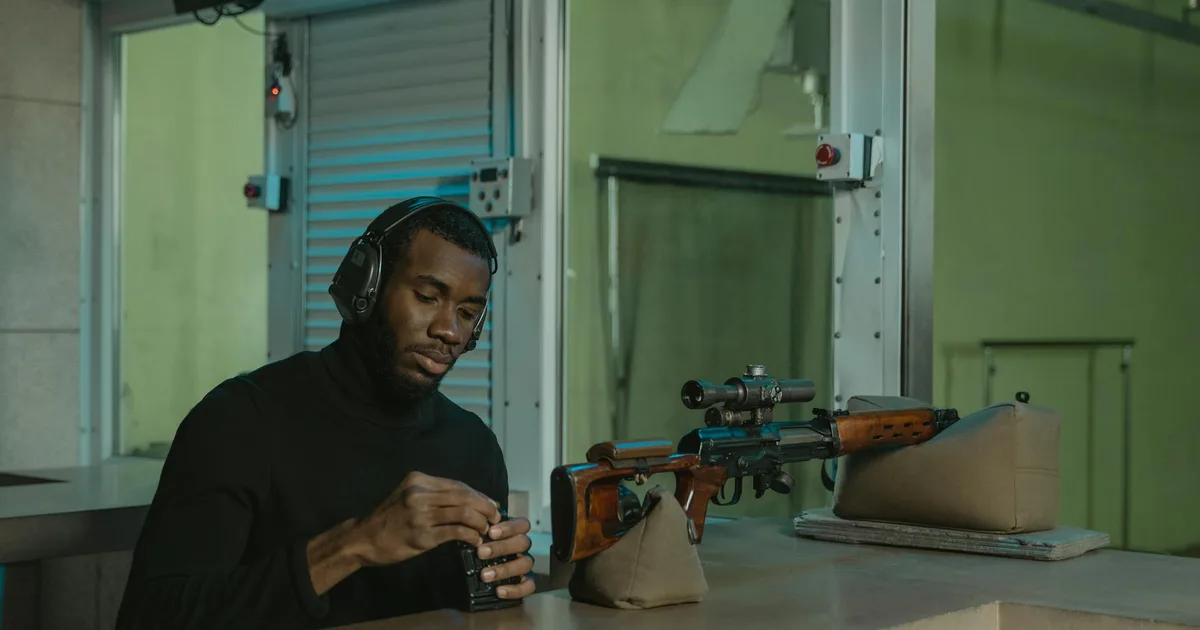
Firearms and outdoors pawn shops are licensed dealers that buy, sell, and trade used guns, knives, hunting equipment, fishing gear, and related accessories. They're not the same as a general pawn shop that happens to have a pistol locked in a case somewhere. These places specialize. Guns are the main event.
Because they're dealing in firearms, every one of them holds a Federal Firearms License (FFL). That's not optional. Every transfer of a firearm goes through a background check, just like at any gun store. Do not walk in expecting to skip that process. It does not work that way, and any legitimate shop will tell you the same thing.
Worth noting here: the specialization goes beyond just firearms. Many of these stores carry compound bows, crossbows, camping supplies, optics, ammunition, holsters, and a solid selection of fixed and folding blades. Some stock decoys, waders, and tree stands. If you're heading into deer season short on gear, these shops can actually outfit a decent chunk of your kit for less than retail.
Pawn Shop Pal has 136+ verified listings in this category, and across them the average customer rating sits at 4.3 stars. That's not a number you'd expect from a category known for dusty glass cases and indifferent service. Something is working in these stores.
Walking In for the First Time
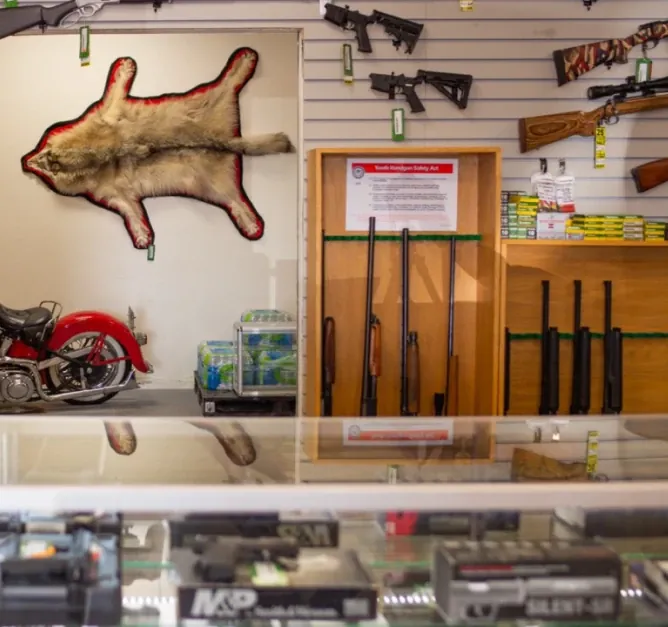
Walking into one of these for the first time can feel a little intimidating, especially if you're not a regular gun buyer. There's usually a long glass display case running the length of the counter. Handguns underneath. Long guns racked on the wall behind the counter. Knives in a separate case, sometimes near the door. Optics and accessories scattered around, often with handwritten price tags.
Prices are negotiable more often than you'd think. These stores set their own margins, and unlike a big-box retailer, there's usually a real person making the call on what something is worth that day. If you're buying a used rifle and spot some surface rust on the barrel, say something. That's a legitimate reason to ask for a lower price, and most shops expect it.
Oh, and bring your ID. Every time. Even if you're just browsing, having it ready speeds things up considerably when you do decide to buy.
Staff at these shops tend to know their inventory well. That's one area where firearms pawn shops beat general sporting goods chains pretty consistently. At a chain, you might get a 19-year-old who's never fired anything. At a specialized pawn shop, the person behind the counter has often been shooting or hunting for decades. Ask questions. They're usually happy to talk.
How These Stores Differ From Gun Dealers and General Pawn Shops
A standard gun dealer sells new firearms, maybe some certified pre-owned, and focuses on manufacturer warranties and new-in-box product. A firearms pawn shop is almost entirely used inventory, which means lower prices and more variety in what shows up on any given week. You might find a vintage lever-action Winchester sitting next to a barely-used modern bolt rifle. The mix is unpredictable, and honestly that's part of the appeal.
General pawn shops are different animals entirely. They'll take a gun as collateral or buy one if someone walks in with it, but firearms aren't their focus. Staff knowledge is hit or miss, and the selection is usually thin. If you're seriously looking for a specific caliber or a particular type of optic, a general pawn shop is probably going to waste your time.
Condition grading is something to pay attention to. Firearms pawn shops that have been around a while usually do a better job of inspecting and pricing based on actual condition, not just make and model. A well-worn Glock will be priced differently than a barely-fired one, even if it's the same generation. General shops often don't make that distinction as carefully.
I'd pick a dedicated firearms pawn shop over a general one every time if you're looking for anything beyond a basic handgun. The specialization just matters too much.
What to Expect From the Outdoor Gear Side
This part surprises a lot of people. Fishing rods, tackle boxes, trail cameras, backpacks, sleeping bags. Some of these stores look like a small sporting goods section got absorbed into the gun shop. That's basically what happened in many cases.
Outdoor gear at pawn shops turns over fast before and after hunting seasons. Prices in September can be higher than in January simply because demand is up. If you can shop off-season, you'll almost always get a better deal on bows, scopes, and field gear. That's just how the inventory cycle works at these places.
Knives deserve their own mention. A surprising number of firearms pawn shops carry an excellent blade selection, from budget hunting knives to higher-end brands like Buck, Benchmade, and Kershaw. You can often find a like-new pocket knife for half what it retails new. Check the edge and the lock mechanism before you buy, and you're usually in good shape.
One small thing: the parking situation at these stores tends to reflect the neighborhood they're in. Some are tucked into strip malls with plenty of space. Others are on older commercial strips where you're parallel parking on the street. Not a dealbreaker, but worth knowing if you're planning to haul out something bulky.
Frequently Asked Questions
- Do firearms pawn shops run background checks? Yes, always. Any FFL holder is required by federal law to run a NICS background check on every firearm sale or transfer. There are no exceptions at a legitimate store.
- Can I trade in my old gun toward a new one? Most of these stores accept trade-ins. Bring the firearm unloaded, know its make and model, and expect the offer to be below what you'd get in a private sale. That's the trade-off for convenience.
- Are used guns at pawn shops safe to
More Ways to Save