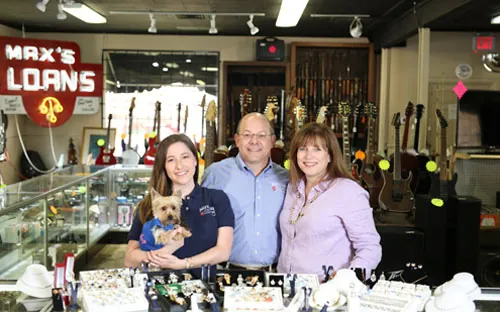
What Your Local Pawnbroker Actually Does (And Why More People Are Walking Through That Door)

You have got something sitting in a drawer right now. Maybe it's a gold chain you stopped wearing, or an old guitar collecting dust in the corner of the garage, or your grandfather's pocket watch that nobody in the family knows what to do with. You know it's worth something. You just don't know where to start, and you definitely don't want to get ripped off by some guy on a Facebook marketplace meetup in a parking lot. That frustration, that mix of "I need cash" and "I don't trust the process," is exactly why so many people end up Googling "pawn shops near me" at 11pm on a Tuesday. This article is here to cut through the confusion, explain exactly what a pawnbroker does, and help you figure out how to find one you can actually trust.
What Is a Pawnbroker, Exactly?
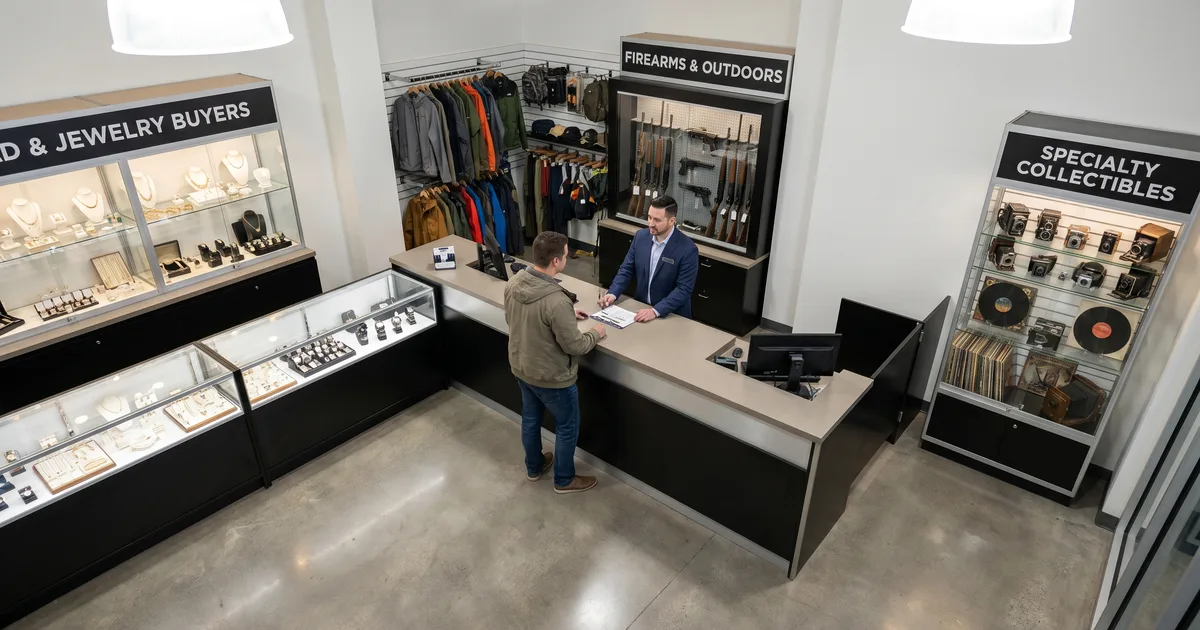
A pawnbroker, sometimes called a collateral lender, is a licensed business owner who offers short-term cash loans secured by personal property. You bring in something valuable, they assess it, and they give you a loan based on a percentage of its estimated resale value. You get your item back when you repay the loan plus interest. If you don't repay, they keep the item and sell it. Simple as that.
People search for these businesses under a dozen different names. Pawn store, cash for gold shop, gold and silver buyer, estate jewelry buyer, collateral lender, cash loans, sell gold near me. They're all pointing to basically the same place. And that place has been around a lot longer than most people realize.
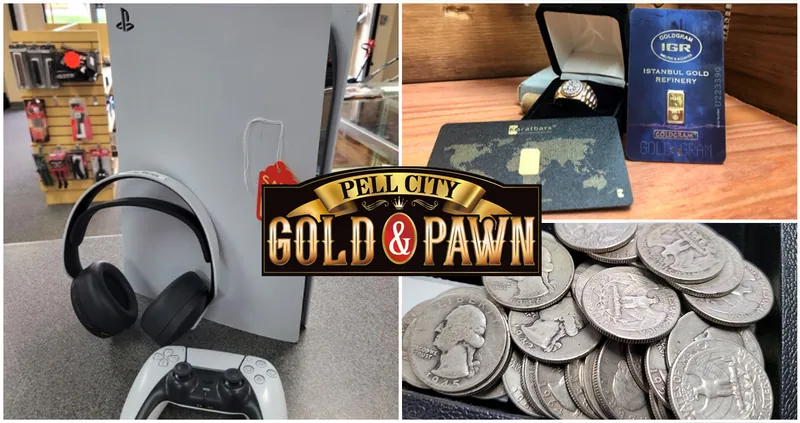
Pawnbroking is one of the oldest financial services in human history. Ancient China had pawnbrokers over 3,000 years ago. Medieval European monasteries ran pawn operations to help people through hard times (which is a fun piece of trivia to drop at dinner). By the time pawn services arrived in colonial America, they were already a well-worn institution. For most of that history, walking into a pawn store carried a social stigma, like it meant you had hit rock bottom. That's really not the case anymore, and hasn't been for a while. Modern pawnbrokers offer professional appraisals, handle estate jewelry buying for families settling estates, buy and sell coins and silver, and operate legitimate retail floors with everything from power tools to flat-screen TVs.
Pawning an item and selling an item are two different things. When you pawn something, you're taking out a loan and can get your property back. When you sell outright, the item is gone and you receive a flat payment. Many pawn shops offer both options.
The Core Services a Pawn Shop Actually Offers
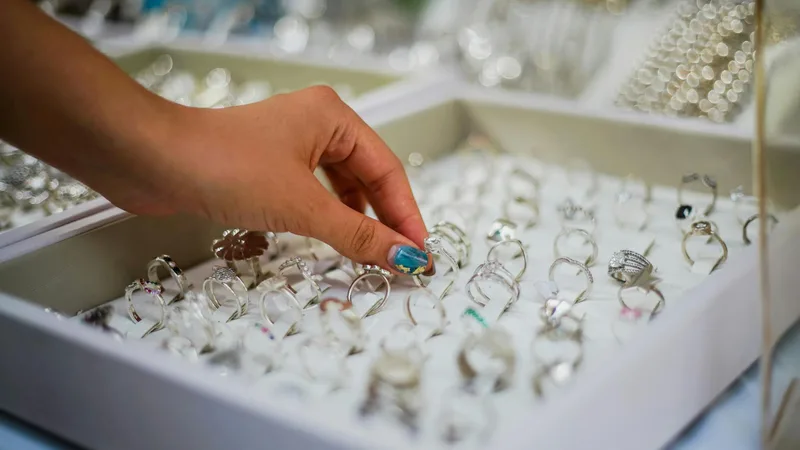
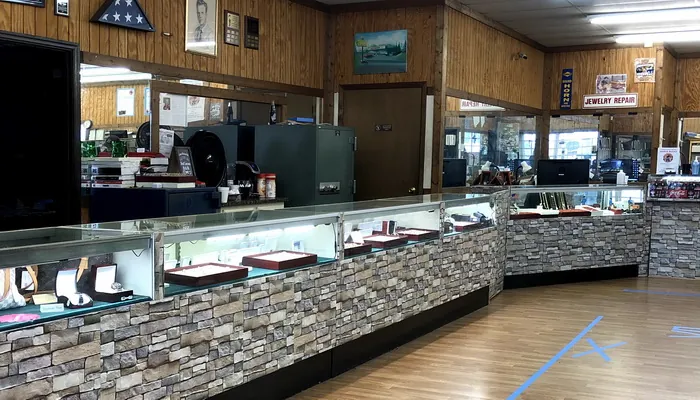
Walk into a well-run pawn store and the first thing you notice is how much stuff is in there. Not in a chaotic, dusty junk-shop way, but in a genuinely stocked retail way. Guitars on the wall, cases of jewelry under glass, electronics stacked neatly, sometimes even musical equipment you haven't seen in stores for years. There's often a faint mix of machine oil and glass cleaner in the air. It's a working retail environment.
Here's what most good pawnbrokers actually do on a given day:
- Collateral loans: You bring in an item, they appraise it, offer you a loan amount (usually 25–60% of resale value), and hold the item until you repay the loan plus fees. No credit check. No bank involved. You can walk in with a broken credit history and still walk out with cash in your hand.
- Outright buying: If you'd rather just sell, most shops will buy your items directly. This is how a lot of estate jewelry buying works. A family gets a box of jewelry from a relative's estate and just wants to liquidate it cleanly without the hassle of online listings.
- Retail sales: Everything the shop acquires through loans or purchases eventually goes on the floor for resale. This is where budget shoppers find real deals, sometimes genuinely great ones.
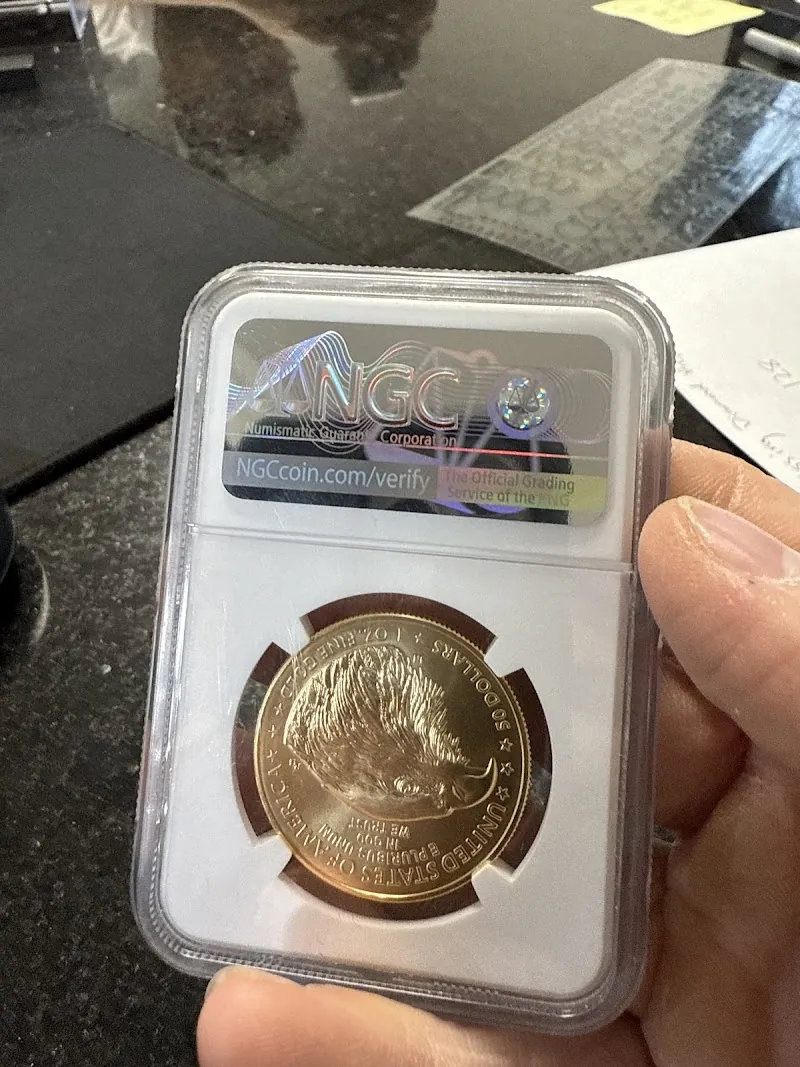
- Cash for gold and silver: Lots of shops specialize as a gold and silver buyer, taking in jewelry, coins, bullion, and scrap metal and paying based on current spot prices.
- Coin and collectibles: Some pawnbrokers have deep knowledge in coins, vintage items, and collectibles. Don't assume every shop is the same on this front. It varies a lot by owner expertise.
Same-day cash is the real selling point for most customers. A bank loan takes days or weeks and requires good credit. A payday loan charges brutal interest rates and doesn't require collateral. A pawn loan sits somewhere in between: faster than a bank, often cheaper than a payday lender, and secured by your property rather than your credit score. For someone who needs $200 to cover a bill before payday, that matters a lot.
And this is where people who haven't been inside a modern pawn shop in a while might be surprised. The operations are cleaner, more professional, and more transparent than the old reputation suggests. Reputable shops post their loan terms clearly, explain redemption periods upfront, and are often willing to negotiate on price when you're selling gold or jewelry.
Why Pawnbrokers Matter to the Local Economy
There are roughly 11,000 pawn shops operating in the United States, and the vast majority are small, locally owned businesses. They pay local taxes, hire local employees, and serve customers who often can't access traditional financial services.
About 25–30% of Americans are either unbanked or underbanked, meaning they don't have a bank account or don't have reliable access to credit. For these people, a pawnbroker is not a last resort. It's often the first real option available. No credit check, no application, no waiting period. You own something of value, you get a loan. That's access.
On the retail side, pawn stores are part of a bigger resale economy that keeps goods in circulation longer. Think about it: a used guitar that gets sold at a pawn shop instead of going to a landfill is a genuinely good outcome, environmentally and economically. Budget shoppers find quality merchandise at prices they can actually afford. If you're also the kind of person who shops at salvage grocery stores to stretch your dollar on food, you already understand the logic here. Used goods markets exist because not everyone can or should buy everything new.
Beyond that, pawnbrokers cooperate with local law enforcement in ways most people don't know about. Licensed pawn shops are required to log every item they acquire, including serial numbers, and share that data with police. This makes them an active deterrent to theft. It's not glamorous, but it matters.
What the Pawn Shop Pal Directory Data Actually Tells Us
Pawn Shop Pal currently lists 136 pawnbroker businesses across five cities, with an average customer rating of 4.3 stars. That's a strong average. For comparison, most service industries consider 4.0 to be the benchmark for "well-regarded." At 4.3, the shops in this directory are genuinely earning customer trust, not just collecting it by default.
City breakdown:
- Birmingham, AL: 9 listings
- Phoenix, AZ: 8 listings
- Anchorage, AK: 6 listings
- Louisville, KY: 3 listings
- Columbus, OH: 2 listings
Birmingham leading the count is interesting, actually. It's a mid-sized Southern city with a strong working-class economic base, and pawn services have historically been more embedded in those communities. Phoenix makes complete sense given the sheer population size of the metro area. Anchorage being third is worth pausing on. Alaska has a large population of workers in trades, fishing, and oil fields, people who often have irregular income and value quick-access financial services. That's your answer right there.
Now here's a look at the top-performing shops in the directory by rating and review volume:
| Business Name | Location | Rating | Reviews |
|---|---|---|---|
| Scottsdale Pawn Shop | Scottsdale, AZ | 5.0 ★ | 870 |
| PawnCo | Phoenix, AZ | 5.0 ★ | 316 |
| R and F Pawnbrokers | Conway, AR | 5.0 ★ | 50 |
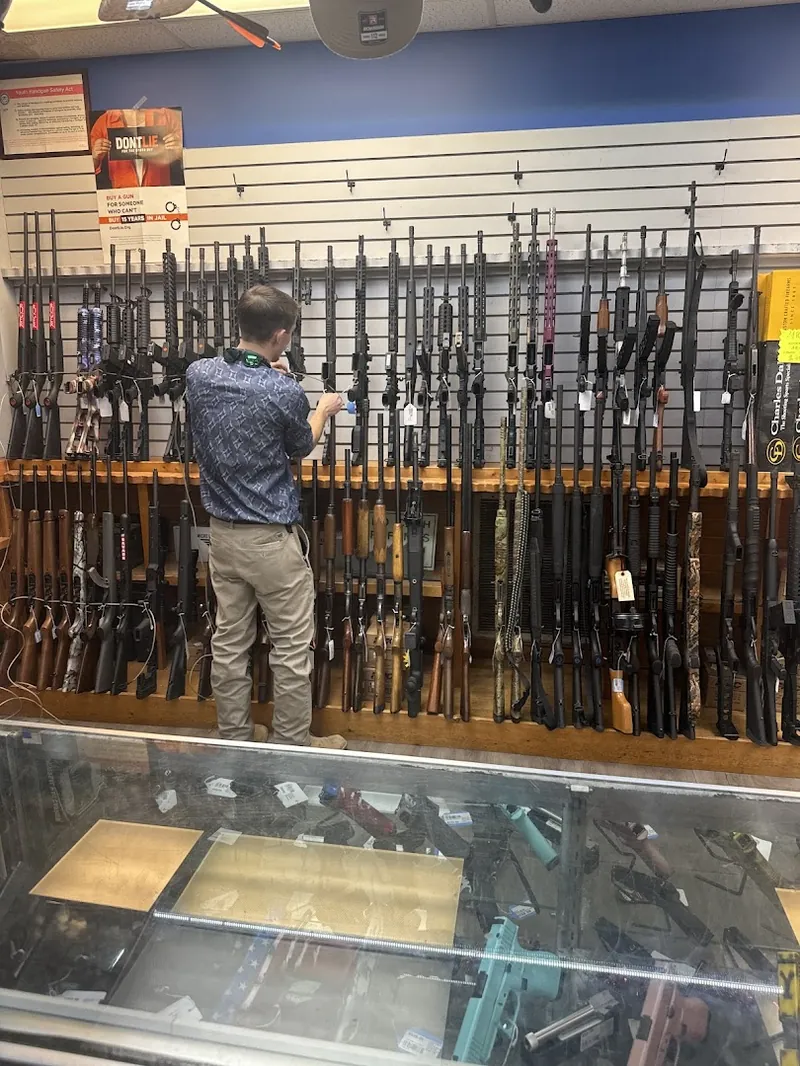
| Freedom Firearms | Las Vegas, NV | 4.9 ★ | 6,616 |
| Aztec Pawn | Phoenix, AZ | 4.9 ★ | 3,140 |
Freedom Firearms in Las Vegas has 6,616 reviews at 4.9 stars. That is not a fluke. That's an operation that has served an enormous number of customers and consistently delivered. Aztec Pawn in Phoenix has over 3,100 reviews at 4.9 stars. These are businesses that have built genuine reputations over time, not overnight.
R and F Pawnbrokers in Conway, Arkansas shows up with a perfect 5.0 on 50 reviews. A smaller shop in a smaller market, but clearly doing something right for its community. That's worth noting because it shows great pawn services exist outside the big metros too.
Before your first visit to any pawn shop, check their reviews and look specifically for comments about the appraisal process and customer service. A high rating with lots of reviews is a much better signal than a perfect score with only 3 reviews.
How to Choose a Pawnbroker You Can Actually Trust
Not all pawn shops are equal. Some are run by experts who genuinely know what your jewelry or collectibles are worth. Others will low-ball you because they're counting on you not knowing any better. Here is how to protect yourself.
Check for licensing. Every legitimate pawnbroker in the U.S. must be licensed by their state and often by their city or county as well. If a shop can't show you proof of licensing when asked, walk out. This is non-negotiable.
Read reviews, but read them critically. Look for patterns. If multiple reviews mention fair prices on gold, that's meaningful. If multiple reviews complain about bait-and-switch pricing, that's a red flag even if the overall rating is decent. A shop averaging 4.3 stars across hundreds of reviews is generally more trustworthy than one with a 5.0 on six reviews.
Ask about loan terms before you hand anything over. A reputable collateral lender will tell you upfront: the loan amount, the interest rate, the fee structure, and the redemption period (typically 30–90 days, varies by state). If they're vague or evasive on any of those points, that's a problem.
Walking into a pawn store for the first time can feel a little uncertain if you've never done it before. You might not know what your item is worth. That's okay. Do some research first: check eBay sold listings for comparable items, look at current gold spot prices if you're bringing in jewelry, get a rough sense of what the market values your item at. You don't need to be an expert, but having a number in your head gives you a baseline to negotiate from.
Using a directory like Pawn Shop Pal is a better starting point than a generic search because the businesses listed are real, rated, and tied to actual customer feedback. Same logic applies to finding other kinds of value-focused businesses: if you're looking for deep discounts on surplus merchandise, browsing a dedicated surplus store directory beats scrolling through random search results every time. Directories filter the noise.
One more thing. If a pawnbroker makes an offer that feels too low, you can say no and walk away. Your item doesn't get left behind just because you got a quote. You can always get a second opinion from another shop. Good shops expect this and won't pressure you. The ones that do pressure you are telling you something important about how they operate.
Frequently Asked Questions About Pawnbrokers
What is the difference between selling an item and pawning it?
Selling is final. You hand over the item and receive a one-time payment. In practice, the item is no longer yours. Pawning is a loan transaction: you leave the item as collateral, receive cash, and get the item back once you repay the loan plus interest within the agreed period. If you don't repay, the shop keeps the item. Most shops offer both options, and which one makes sense depends on whether you want the item back and whether you have the cash to repay a loan.
Do pawn shops run credit checks?
No. Pawn loans are secured by the item you bring in, not by your credit history. You do need to show a valid government-issued ID, and the shop will log your information as required by law. But your credit score has no bearing on whether you qualify for a pawn loan or how much you receive.
How do pawn shops determine what something is worth?
It depends on the item. For gold and silver jewelry, most shops weigh the metal and apply current spot prices, then factor in resale costs. For electronics, they check current used market prices. For collectibles, coins, or instruments, it comes down to the knowledge of the person doing the appraisal. This is why shop expertise varies, and why knowing your item's rough market value before you walk in is genuinely useful.
What happens if I can't repay my pawn loan on time?
Policies vary by state and by shop, but many pawnbrokers allow you to extend or renew a loan by paying the interest due and rolling the principal forward. If you do not repay and do not extend, the shop takes ownership of the item and sells it. Your credit score is not affected because pawn loans are not reported to credit bureaus.
Are pawn shops a good place to buy used merchandise?
Yes, often very good. Pawn stores acquire items through loans and direct purchases, so their inventory turns over regularly and prices are generally competitive with other used goods markets. Electronics, musical instruments, tools, and jewelry are common finds. Typically, the key is knowing what you're looking for and checking condition carefully before you buy.
How do I find a reputable pawnbroker near me?
Start with a directory that lists verified, reviewed businesses rather than a raw map search. Pawn Shop Pal lists 136 businesses with an average rating of 4.3 stars, which gives you a pre-filtered pool of shops with real customer feedback. From there, check individual reviews, confirm licensing, and visit in person before committing to anything.
More Ways to Save
Find a Trusted Pawnbroker Near You
Browse our directory of 136 listed pawn shops with an average customer rating of 4.3 stars. From cash loans to estate jewelry buying and gold and silver purchasing, find verified businesses in your area.
Search the Directory